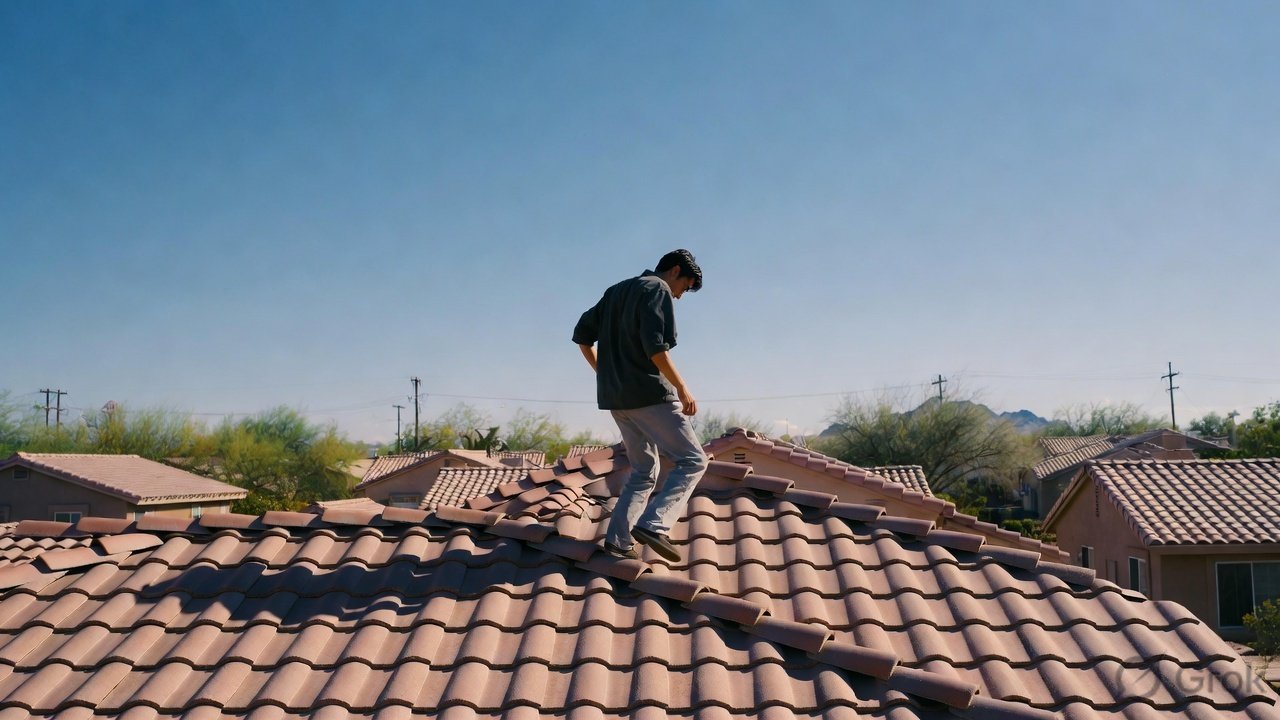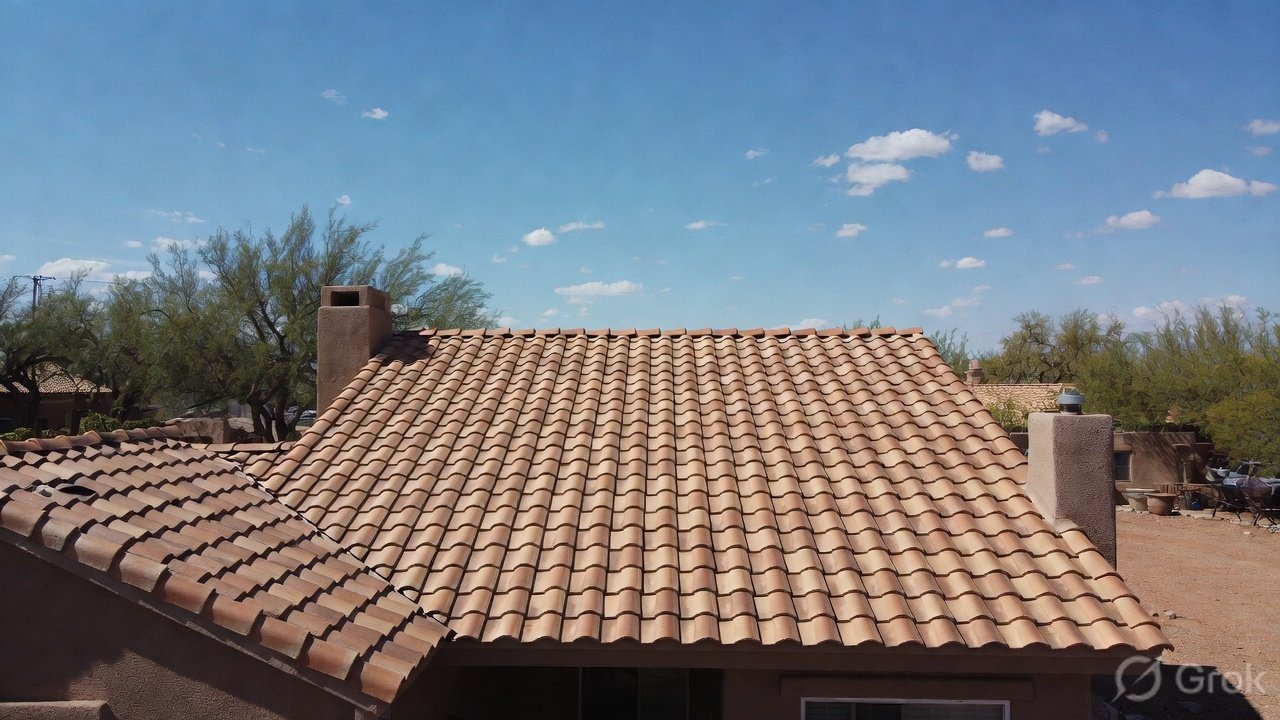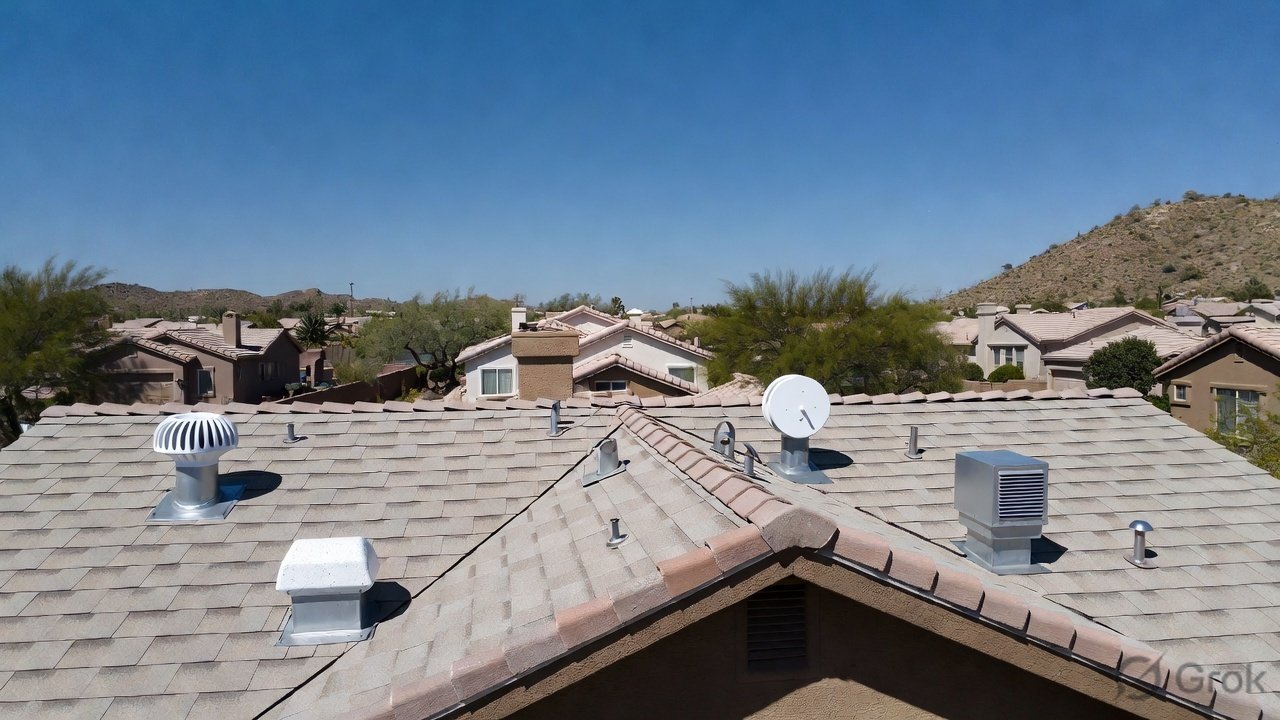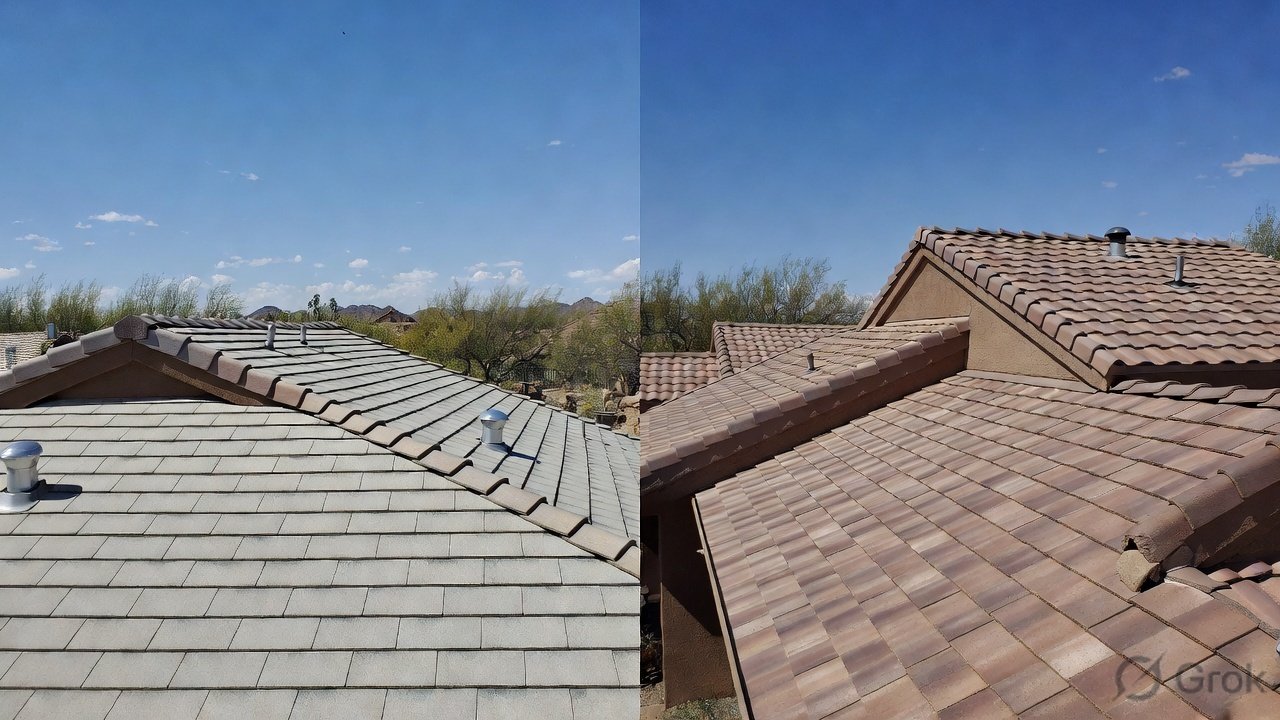
Tile roofs are the most common roofing system across Arizona — and for good reason. Clay and concrete tile handles desert heat exceptionally well, sheds monsoon rain effectively, and holds up to intense UV exposure better than almost any other material available. A quality tile can last 50 years or longer in the Valley’s climate.
But there is one thing experienced Arizona roofers hear constantly from homeowners, and it almost always leads to an expensive surprise: “My tiles look fine, so my roof must be fine.”
That assumption is one of the costliest mistakes an Arizona homeowner can make. Because the component of your tile roof that actually keeps water out of your home is not the tile itself — it is the underlayment beneath it. And in Arizona’s extreme climate, that underlayment has a lifespan that is significantly shorter than most homeowners ever realize.
Knowing when to replace tile roof underlayment in Arizona is one of the most important roofing decisions you will ever make as a homeowner. This guide gives you the honest answers.
What Tile Roof Underlayment Actually Does
Before understanding when to replace underlayment, it helps to understand why it exists in the first place.
Underlayment is the waterproof membrane installed directly on top of your roof deck — the wooden sheathing beneath your tiles. It sits between the structural deck and the tile layer above, and it serves one critical purpose: keeping water out of your home when tile is penetrated.
Tile is not a sealed, monolithic waterproofing layer. Tile is a durable outer shell that deflects the majority of rain and UV exposure — but water regularly finds its way beneath tile surfaces, especially during Phoenix monsoon storms with high-angle wind-driven rain. When water gets beneath tile, the underlayment is the last line of defense between that water and your roof deck, attic framing, insulation, and interior ceilings.
When underlayment is intact, that water is redirected harmlessly off the roof. When underlayment has degraded and cracked — invisibly, beneath tiles that may look completely fine — that water reaches your home’s structure.
How Long Does Tile Roof Underlayment Last in Arizona?
This is the question most Arizona homeowners have never thought to ask — and the answer consistently surprises them.
In moderate climates, tile roof underlayment can last 30 years or more. In Arizona, the realistic lifespan is 20 to 25 years for most products, and considerably shorter for older felt-based systems installed before the mid-2000s.
The reason comes down to conditions that most of the country never encounters:
Attic heat extremes: Phoenix attic temperatures regularly reach 150 to 160 degrees Fahrenheit during summer months. That sustained extreme heat accelerates the breakdown of the polymers and bitumen compounds that give underlayment its flexibility and waterproofing performance. Materials engineered to last 35 years in a temperate climate deteriorate in 20 years under those conditions.
Constant thermal cycling: Daily temperature swings of 30 to 40 degrees cause underlayment to expand and contract every single day. Over years and decades, this repeated movement causes cracking, separation from the deck surface, and the opening of gaps at overlaps and penetrations.
Monsoon moisture stress: Rapid transitions between extreme dry heat and sudden heavy monsoon rainfall stress underlayment seams and laps across every storm season, year after year.
UV exposure during installation: Underlayment is briefly exposed to direct Arizona sun during installation before tiles are placed above it. Even brief exposure to Phoenix UV at this stage accelerates the degradation process compared to installations in less intense climates.
The bottom line: if your tile roof was installed before 2005, your underlayment is at or past the end of its reliable service life regardless of how your tiles look. If it was installed between 2005 and 2010, you are in the window where a professional inspection is strongly warranted.
The Clear Signs It Is Time to Replace Your Tile Roof Underlayment
Because underlayment sits beneath the tiles, you cannot see it from the ground or even from the roof surface without physically lifting tiles. But there are clear, reliable indicators that the underlayment beneath a tile roof has failed or is actively failing.
Interior Water Stains on Ceilings or Walls
This is the most obvious and urgent sign. If water stains appear on your interior ceilings or walls after monsoon storms or heavy rain — and there are no obviously cracked or missing tiles visible from the ground — failed underlayment is the primary suspect. The tiles above may be completely intact while the membrane beneath them has cracked and is letting water through to the deck.
Moisture or Staining in the Attic
Check your attic after significant rain events. Any moisture, water staining on rafters or decking, or damp insulation indicates water is bypassing the tile layer and reaching the structural components beneath. This is a clear sign the underlayment is no longer performing its waterproofing function.
A Roof More Than 20 Years Old
Age alone is one of the most reliable indicators in Arizona’s climate. If your tile roof is more than 20 years old and the underlayment has never been replaced, the statistical likelihood of underlayment failure is high — regardless of the outward appearance of the tile above it. Arizona’s attic heat is simply too extreme for most underlayment products to perform reliably beyond this threshold.
Recurring Leaks That Return After Tile Repairs
If a leak keeps returning despite repeated tile-level repairs, the underlayment beneath is almost certainly the actual source of the problem. Replacing or re-seating individual tiles without addressing the failed membrane beneath them is a temporary fix that will not hold through the next monsoon season.
Cracked, Broken, or Shifted Tiles Across Multiple Areas
Intact tiles protect underlayment from direct UV and rain exposure. Once tiles crack, shift, or break in multiple areas, the underlayment beneath those sections loses its protection and degrades rapidly. Widespread tile damage is both a problem in itself and an accelerant for underlayment failure beneath.
Evidence of Previous Roof Repairs Without Underlayment Replacement
If your property records or disclosure documents indicate multiple past roof repairs but no record of a full underlayment replacement, the original membrane is likely still in place — and aging accordingly. A professional inspection is the only way to know its current condition.
What Happens If You Wait Too Long
Delaying underlayment replacement in Arizona is not a decision that holds steady — it actively gets more expensive the longer it is deferred.
When underlayment fails, water reaches the roof deck. In the beginning, the damage may be superficial — surface staining or minor swelling in the decking. Left unaddressed across multiple monsoon seasons, the damage progresses to rot, structural softening of the deck boards, and eventually compromise of the roof framing itself.
A routine underlayment replacement that costs $9,000 to $14,000 can escalate to $18,000 to $30,000 or more when significant deck rot and structural repairs are factored in alongside the underlayment work. The tiles are removed either way — the difference is what the contractor finds underneath.
The financial case for timely replacement is straightforward: addressing underlayment at the right time costs a fraction of addressing it after structural damage has accumulated.
Types of Underlayment Available for Arizona Tile Roofs
When the time comes to replace, the underlayment product chosen matters significantly for how long the new installation will last in Arizona’s conditions.
Felt Underlayment
Felt underlayment — asphalt-saturated felt in 15 lb or 30 lb weights — was the standard product used on Arizona tile roofs through the 1990s and early 2000s. It is the least expensive option and also the shortest-lived in Arizona’s heat. Most Arizona roofing contractors no longer recommend felt as a replacement product given the availability of better-performing alternatives at modest additional cost.
Synthetic Underlayment
Synthetic underlayment — made from woven or spun polypropylene — has become the standard replacement product for Arizona tile roofs. It significantly outperforms felt in heat resistance, tear strength, and UV tolerance. Quality synthetic underlayments perform reliably for 20 to 25 years in Arizona’s attic heat conditions.
High-Temperature Underlayment
Premium high-temperature underlayment products — modified bitumen membranes and specialized polymer-modified systems — are engineered specifically for the heat extremes that cause standard products to fail prematurely. For Arizona tile roofs, high-temperature underlayment is the recommended upgrade when replacing an aged system, providing the longest reliable service life in the Valley’s climate. Expect it to perform for 25 to 35 years with the tile layer properly maintained above it.
What to Expect From the Replacement Process
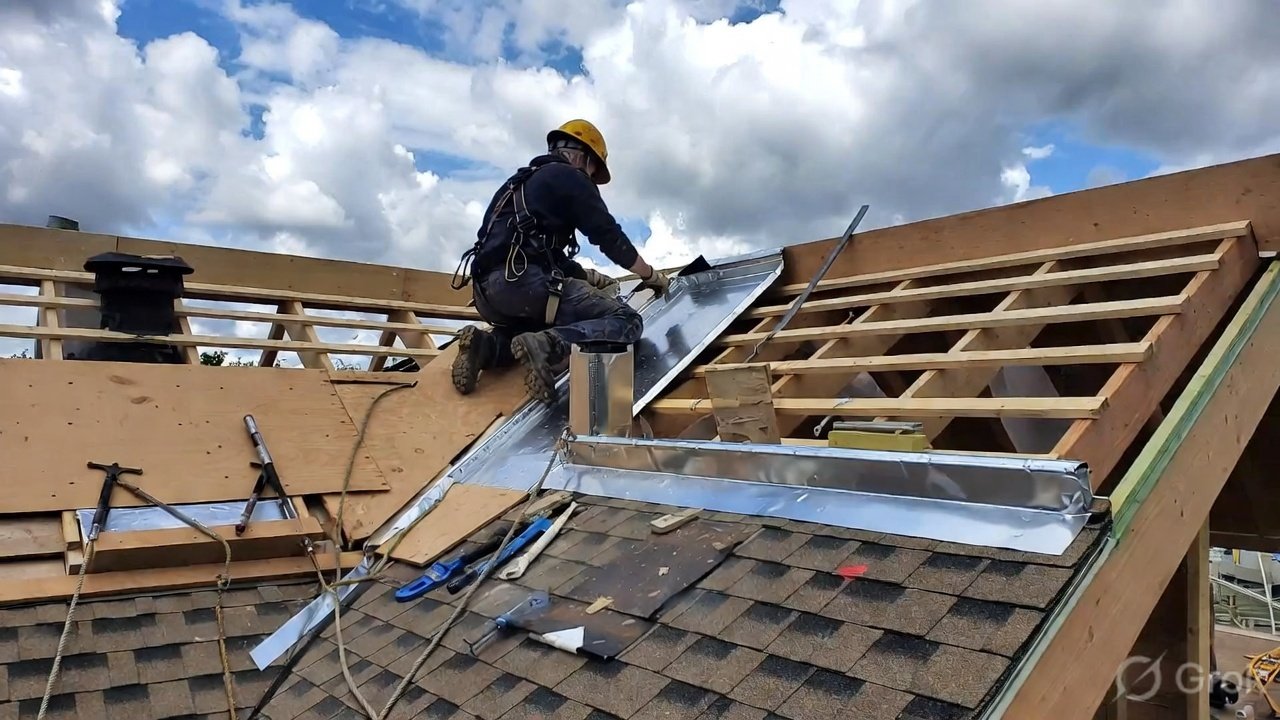
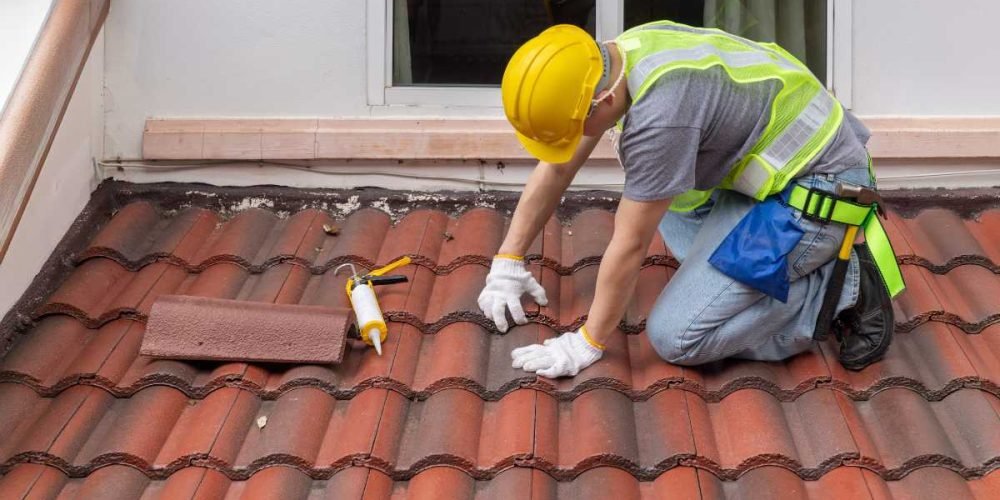
A tile roof underlayment replacement — sometimes called a tile relay or tile re-roof — is a full scope of work that involves removing all existing tiles, stripping the old underlayment, inspecting and repairing the deck, installing new underlayment, and re-laying the tiles above it.
The process follows these stages:
Inspection and written estimate covering all materials, labor, deck repairs if needed, permit costs, and warranty terms.
Permit filing — required in Phoenix and throughout most of Maricopa County for a full tile re-roof. Your contractor handles this before work begins.
Tile removal — tiles are carefully removed section by section and stacked for inspection and re-use. Cracked or broken tiles are separated for replacement.
Deck inspection and repair — all existing underlayment is stripped and the deck is inspected thoroughly for rot, soft spots, and structural issues before new underlayment goes on.
New underlayment installation — installed per manufacturer specifications with proper overlaps, sealed penetrations, and integrated flashing at all edges, valleys, and roof penetrations.
Tile relay — existing tiles are re-laid systematically. Replacement tiles are installed where needed, sourced to match your existing profile and color as closely as possible.
Final inspection and cleanup — a county inspector signs off on the completed work, and a full cleanup including magnetic nail sweep is performed.
Most residential tile underlayment replacements in Arizona take three to five days depending on roof size, pitch, and tile type. The majority of existing tiles — typically 85 to 95 percent — are salvaged and reused, which keeps total project cost significantly lower than a full material replacement.
Frequently Asked Questions
How do I know for certain if my underlayment needs replacing?
The only definitive way to assess underlayment condition is a professional inspection where tiles are lifted in representative areas and the membrane is visually examined. If your roof is more than 20 years old in Arizona, schedule this inspection regardless of how the tiles look from the ground.
Can I repair just a section of underlayment instead of replacing it all?
Partial underlayment repairs are possible where damage is genuinely isolated to a specific section. However, if your underlayment is aged across the entire roof, partial repairs are a short-term solution. Adjacent aged underlayment will fail shortly after, bringing you back to the same scope of work in a few years.
Will my existing tiles be reused?
In most cases, yes. Typically 85 to 95 percent of tiles on a well-maintained Arizona roof are salvageable and reused during an underlayment replacement. Cracked or broken tiles are replaced individually, sourced to match your existing profile where possible.
Does insurance cover underlayment replacement in Arizona?
Normal wear and aging is not covered by standard homeowner’s insurance. If underlayment damage is attributable to a specific covered storm event, your policy may cover part or all of the replacement. Document any storm damage immediately and consult a licensed contractor before filing a claim.
Do I need a permit for tile roof underlayment replacement in Arizona?
Yes. A full tile re-roof requires a permit in Phoenix and throughout most of Maricopa County. A licensed contractor handles permit filing before work begins. Never allow a contractor to start without a pulled permit.
Schedule Your Tile Roof Inspection Across Arizona
If your tile roof is more than 15 years old and has not been professionally inspected recently, the condition of your underlayment is the single most important thing to know about your roof. Tiles that look perfect from the street can be sitting on underlayment that has not been performing for years.
At Reliable Roofing Near Me, we perform detailed tile roof inspections across Phoenix and more than 40 Arizona cities. We lift tiles, assess underlayment condition honestly, inspect the deck, and give you a clear written report — no pressure, no obligation.
Call us at (480) 867-9986 or visit reliableroofingnearme.com to schedule your free inspection today. We serve Phoenix, Scottsdale, Mesa, Chandler, Gilbert, Glendale, Peoria, Tempe, Surprise, and every community across the Valley.
Reliable Roofing Near Me | (480) 867-9986 | reliableroofingnearme@gmail.com | reliableroofingnearme.com | 12428 N 28th Dr Suite 12430, Phoenix, AZ 85029 | ROC License #355096