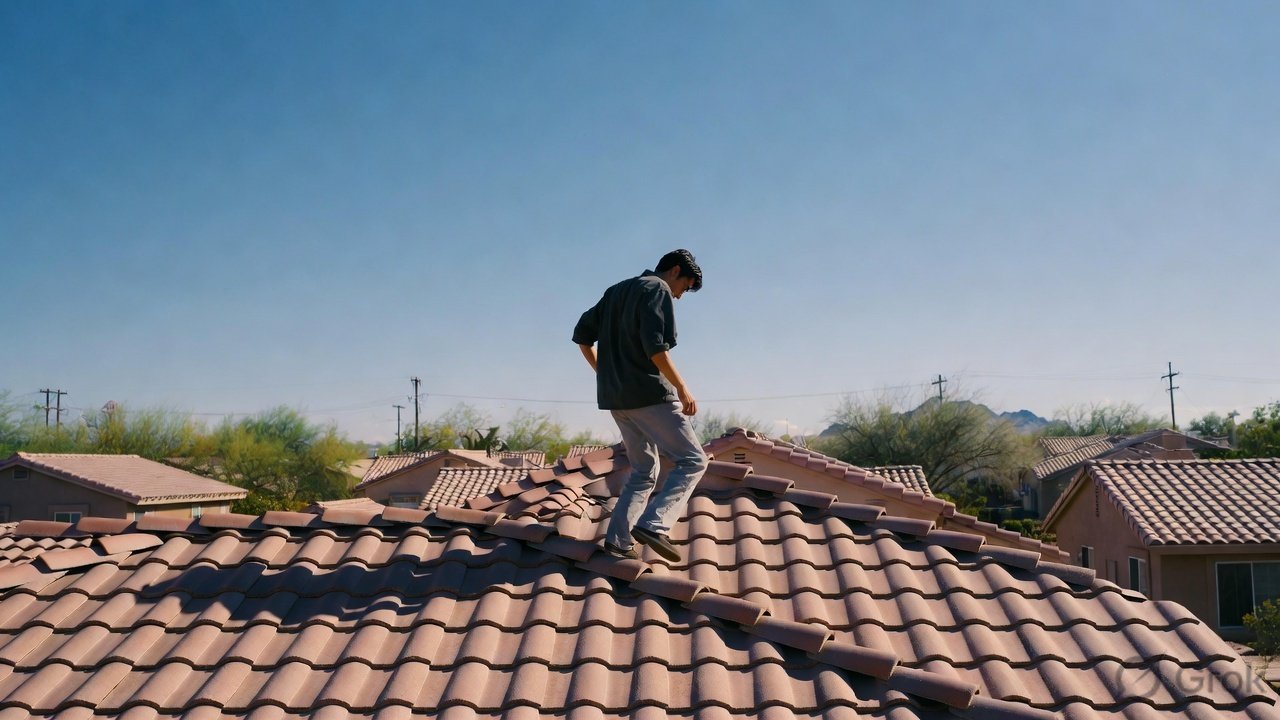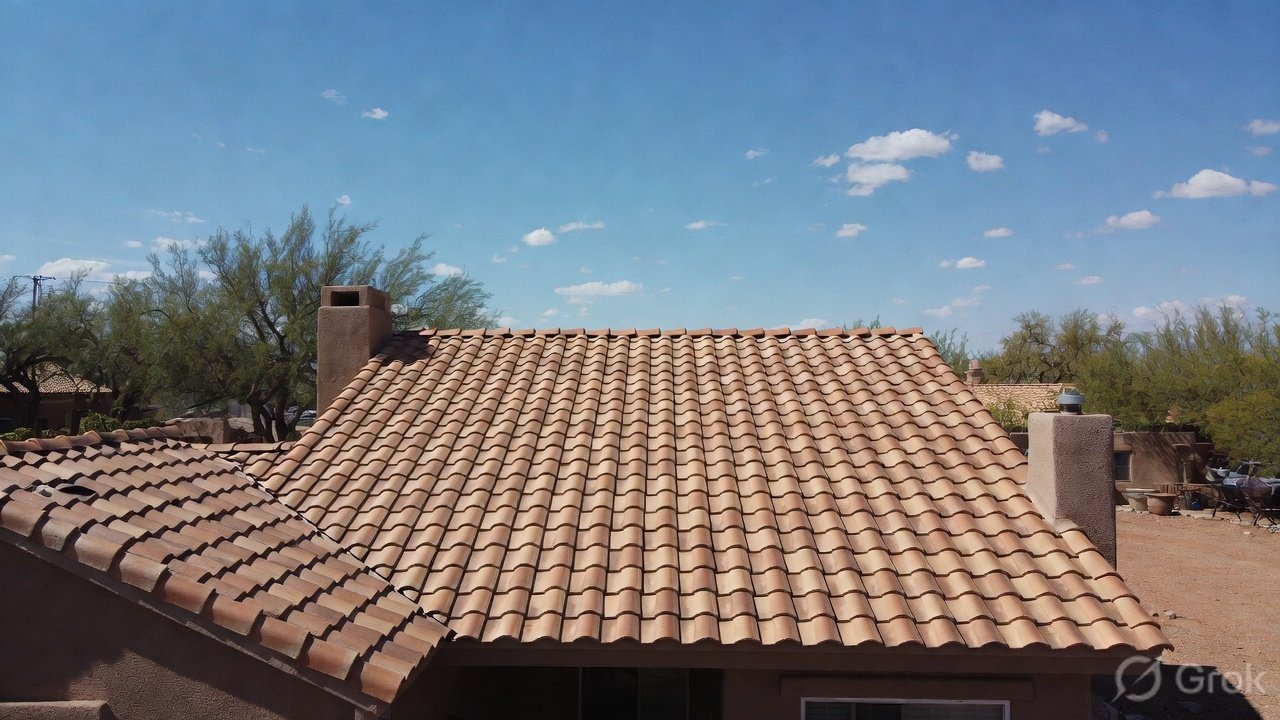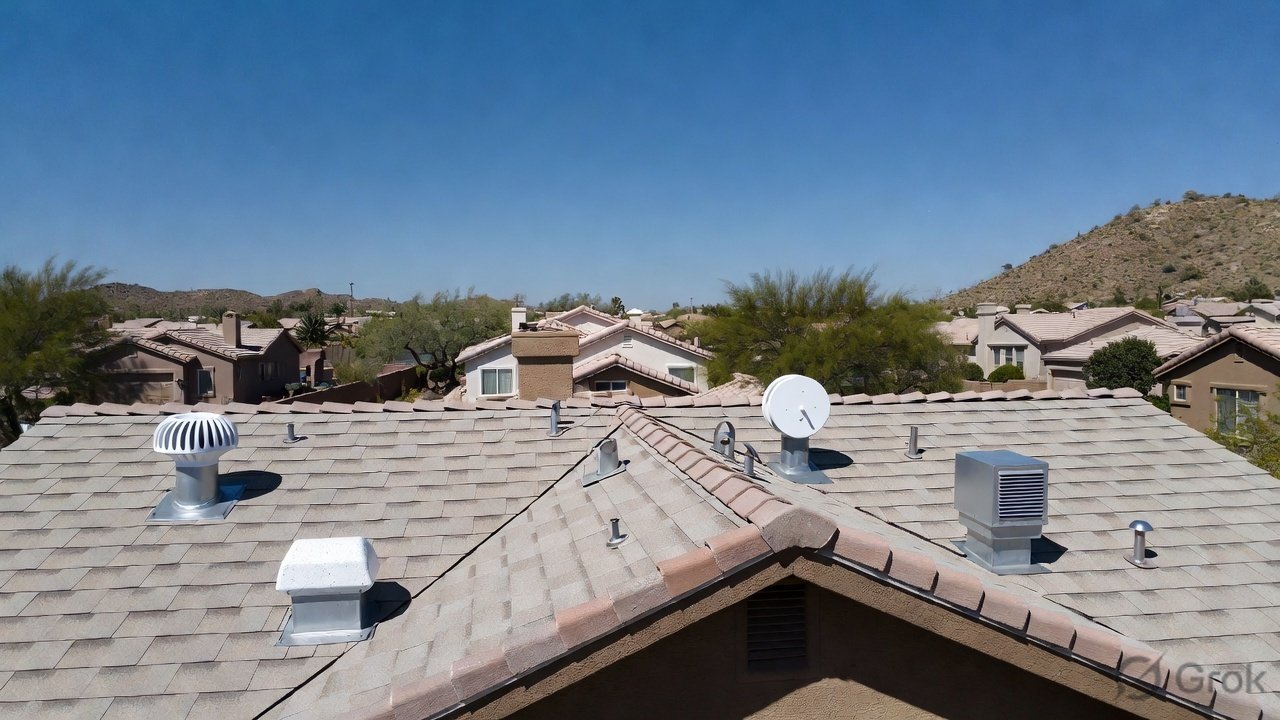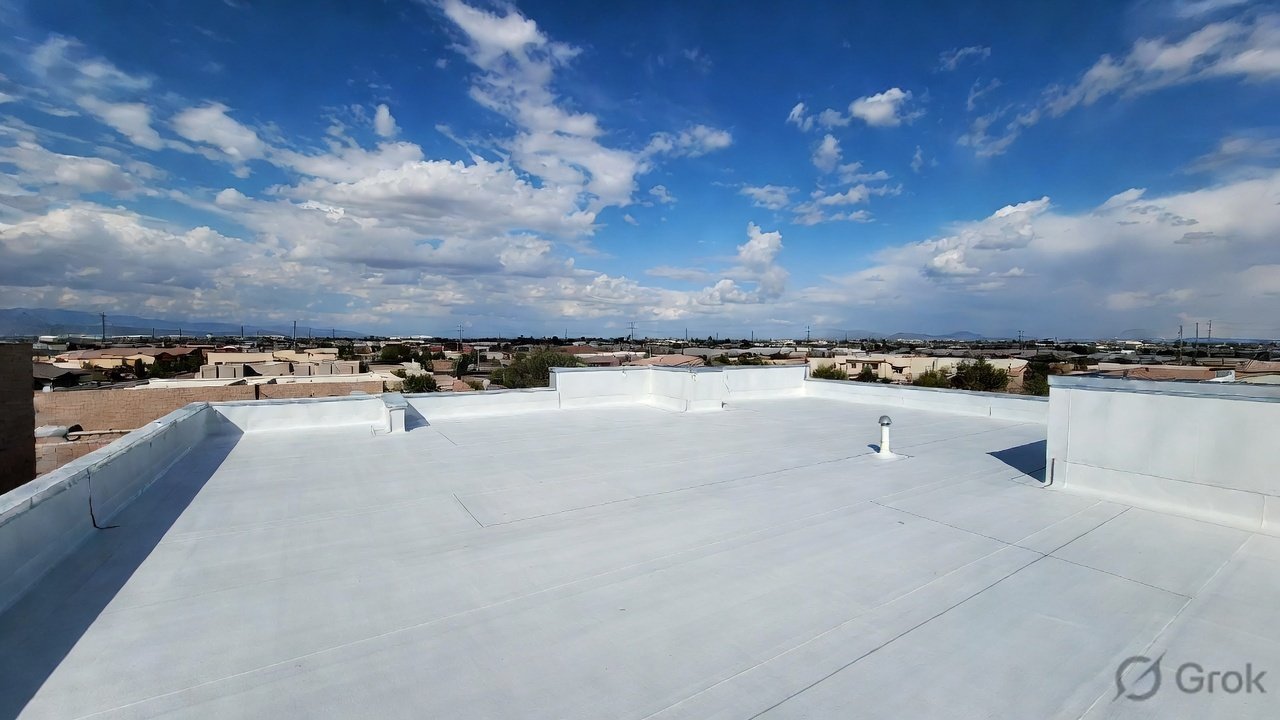
When Phoenix homeowners discover a roof leak, the conversation almost always starts with tiles, shingles, or the flat roof membrane. What gets overlooked surprisingly often — even by homeowners who have dealt with multiple roof issues — is flashing. Yet failed or deteriorated flashing is one of the leading causes of roof leaks across the entire Phoenix metro.
Roof flashing is the thin metal or composite material that seals the joints and transitions on your roof — the points where the roof surface meets a wall, chimney, skylight, vent pipe, or valley. These are the most vulnerable points on any roofing system, and in Phoenix’s extreme climate they are under constant, relentless stress. When flashing fails, water finds a direct path into your roof assembly, your attic, and eventually your interior — often long before any visible surface damage appears.
What Is Roof Flashing and Where Is It Located?
Roof flashing is a waterproofing component installed at every point where your roof surface meets a different material or changes direction. These transition points are inherently vulnerable because they cannot be covered by a continuous sheet of roofing material — they require a separate, purpose-built seal.
On a typical Phoenix home, flashing is found in the following locations:
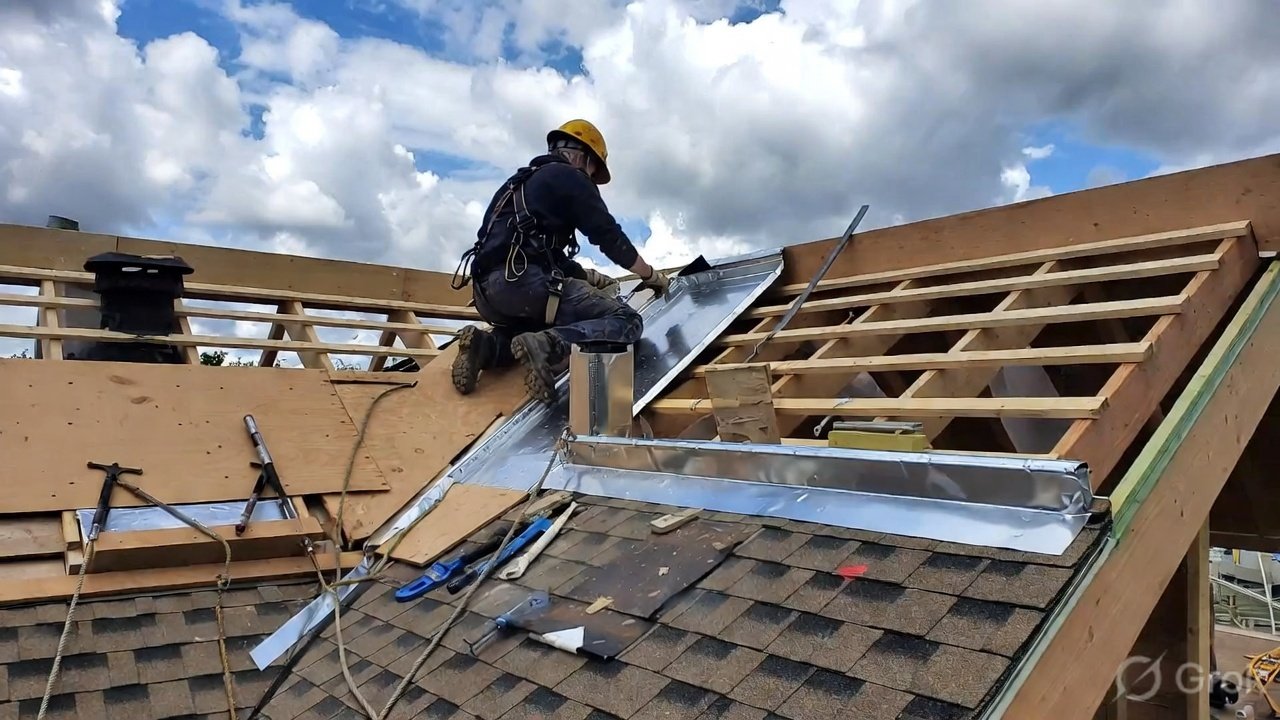
Chimney flashing seals the joint between the chimney masonry and the surrounding roof surface on all four sides. It typically consists of base flashing embedded into the roof surface and counter flashing embedded into the chimney mortar joints above.
Valley flashing runs along the V-shaped channel formed where two roof planes meet. These valleys concentrate significant water flow during monsoon storms, making properly installed and maintained flashing critical in this location.
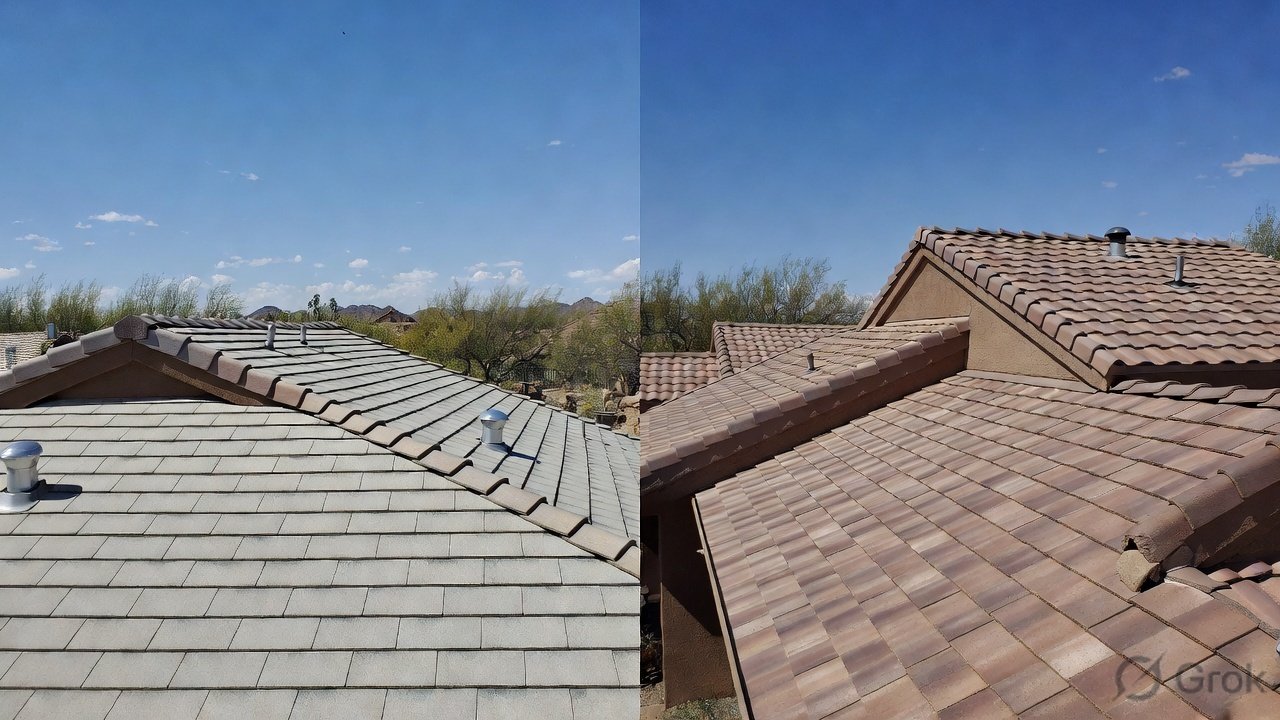
Pipe boot flashing seals around every plumbing vent, exhaust pipe, and conduit that penetrates the roof surface. On most Phoenix homes there are multiple pipe penetrations, each relying on its own boot flashing to remain watertight.
Skylight flashing seals the perimeter of every skylight unit where it meets the surrounding roof surface — one of the most commonly failed flashing locations on Phoenix residential roofs.
Step flashing runs along the joint where a sloped roof meets a vertical wall — common at dormers, additions, and the base of parapet walls on flat roofs.
Drip edge flashing runs along the eaves and rakes of the roof, directing water away from the fascia and into the gutters rather than allowing it to wick back under the roofing material.
Every one of these locations is a potential water entry point if the flashing fails. And in Phoenix’s climate, the conditions that cause flashing to fail are present every single day.
Why Roof Flashing Fails Faster in Phoenix
Flashing that performs reliably for decades in a moderate climate can deteriorate significantly faster in the Phoenix metro. Several specific conditions accelerate the failure process.
Extreme thermal cycling: Phoenix experiences daily temperature swings of 30 to 40 degrees throughout much of the year. Metal flashing expands and contracts with every cycle. Over years and decades this constant movement works sealants loose at edges, opens gaps where flashing overlaps adjacent materials, and eventually causes the flashing itself to crack, warp, or separate from the surface it is meant to seal.
UV degradation of sealants: Every flashing installation relies on sealant — caulk or roofing mastic — at critical joints and edges. Phoenix’s intense UV radiation breaks down these sealants significantly faster than standard product specifications suggest. Sealants rated for long service lives under normal conditions can become brittle, shrink, and crack within a fraction of that timeframe under direct Arizona sun.
Monsoon wind and rain stress: Phoenix monsoon storms deliver sudden high-intensity rainfall combined with wind gusts that can exceed 50 miles per hour. This combination forces water into gaps and under edges that would never be penetrated by normal rainfall, exposing every weak point in the flashing installation.
Galvanic corrosion: When dissimilar metals come into contact — a common occurrence when roofing systems are repaired or modified over time — galvanic corrosion accelerates deterioration of the less noble metal. Corroded flashing is a frequent finding on Phoenix roofs that have seen multiple contractors and repair attempts over the years.
Improper original installation: Flashing failures in Phoenix are frequently traced back to original installations or past repairs that did not follow manufacturer specifications — inadequate overlap, insufficient fastening, wrong sealant type, or flashing sized incorrectly for the application.
Signs Your Roof Flashing Needs Repair in Phoenix
Many flashing failures are invisible from the ground. But there are clear indicators that should prompt you to call a licensed Phoenix roofing contractor for an inspection.
Interior Water Stains Near Specific Roof Features
Water stains on interior ceilings or walls that appear near a chimney, skylight, or exterior wall junction are among the most reliable indicators of flashing failure. The location of the stain almost always points directly to the flashing source — a stain near the chimney breast typically traces to chimney flashing, a stain beneath a skylight traces to skylight flashing, and so on.
Visible Rust, Corrosion, or Discoloration on Metal Flashing
Discolored, rusty, or visibly warped metal flashing is a clear sign that the material is deteriorating and needs professional assessment. Surface rust alone does not always mean immediate failure, but it indicates the material is past its prime and the seal integrity needs to be verified.
Cracked, Missing, or Dried-Out Sealant at Flashing Edges
If the sealant around pipe boots, skylight perimeters, or chimney base flashing appears cracked, shrunken, or missing entirely, water has a direct entry path at that location. This is one of the most common and most preventable flashing failures on Phoenix roofs.
Lifted, Bent, or Separated Flashing
Monsoon-season wind gusts can physically lift flashing that was not adequately secured or whose sealant has failed. Flashing that has been bent away from the surface it seals, or that has separated visibly at any edge, is an active water entry point.
Recurring Leaks Despite Previous Repairs
If a leak has been patched repeatedly without permanently resolving, flashing is frequently the actual source being missed. Temporary sealant applications over failed flashing mask the problem without addressing it — and the leak returns with the next significant storm.
Leaks That Appear Specifically During Monsoon Storms
Flashing failures often manifest specifically during high-intensity monsoon rain — the conditions that force water into marginal gaps. If leaks appear during or immediately after major storms but not during lighter rain, compromised flashing is the primary suspect.
Roof Flashing Repair Cost in Phoenix
Flashing repair costs in Phoenix vary depending on the location of the failure, the extent of deterioration, the material used, and whether the repair involves only the flashing itself or also requires adjacent roofing material to be disturbed and restored.
Pipe boot flashing replacement (per penetration): $150 to $400 Pipe boots are among the most commonly repaired flashing components in Phoenix. Cost depends on pipe diameter, roof material, and accessibility.
Skylight flashing repair or replacement: $300 to $900 Cost ranges based on whether only sealant and metal are being renewed or whether surrounding tile or shingle material must also be disturbed and replaced.
Step flashing repair: $15 to $35 per linear foot Step flashing along wall-to-roof junctions is priced by the running foot of the affected section.
Chimney flashing repair or replacement: $400 to $1,500 Chimney flashing is the most complex and variable flashing repair on a Phoenix home. Full replacement — including new base flashing, step flashing, and counter flashing embedded into mortar — sits at the higher end of the range.
Valley flashing replacement: $500 to $1,500 Valley flashing runs the full length of the roof valley and requires disturbing the roofing material on both sides to install correctly. Cost depends on valley length and roof material type.
Full flashing inspection and minor sealant renewal: $150 to $350 A licensed contractor inspects all flashing locations, identifies deteriorated sealant, removes failed material, and applies new roofing-grade sealant at all vulnerable points.
These figures represent repair costs only. If water intrusion from failed flashing has caused deck rot, structural damage, or interior damage, those repairs are additional.
Repair vs. Full Flashing Replacement: How to Decide
Not every flashing issue requires full replacement of the metal or composite material. Understanding when repair is sufficient and when full replacement is the right call prevents unnecessary expense without compromising the integrity of the fix.
Repair is appropriate when the flashing metal itself is structurally sound and correctly positioned but the sealant at edges and joints has failed. In this case, removing deteriorated sealant thoroughly and applying new roofing-grade sealant is a legitimate and effective repair. Repair is also appropriate when flashing has lifted slightly due to wind but the metal is undamaged — re-securing, re-sealing, and confirming lap dimensions is a sound approach.
Full replacement is necessary when the flashing metal itself is corroded through, cracked, warped, or incorrectly sized for the application. No amount of sealant applied over structurally failed or incorrectly installed flashing produces a lasting repair. Full replacement is also the right call when multiple flashing locations across the same roof are showing similar deterioration — addressing them all in a single mobilization is more cost-effective than returning for individual repairs over successive years.
Be cautious of sealant-only repairs applied over visibly failed metal. This is one of the most common poor-quality repair approaches in the Phoenix market. It looks resolved immediately after application and fails within one to two monsoon seasons — leaving the homeowner paying for the same repair multiple times.
What to Do When You Suspect Flashing Failure in Phoenix
If you have noticed any of the signs described above, the steps that follow will get you to a resolution efficiently without making the situation worse.
Do not attempt to seal it yourself first. Rooftop sealant applications by homeowners unfamiliar with flashing systems frequently seal water in rather than out, trapping moisture against the deck and accelerating structural damage. A professional inspection first costs far less than repairing damage caused by a well-intentioned but misdirected DIY attempt.
Document what you are seeing. Before calling a contractor, photograph interior stains, note when they appear relative to rain events, and note their location relative to roof features above. This information helps the inspector identify the source efficiently and accurately.
Request a written inspection report. A legitimate Phoenix roofing contractor provides a written assessment identifying the specific flashing location involved, the nature of the failure, the recommended repair scope, and the cost. Any contractor who provides only a verbal assessment and wants to start work immediately without documentation should be approached with caution.
Verify the contractor’s ROC license. In Arizona, all roofing contractors are required to hold an active license from the Arizona Registrar of Contractors. Verify the license number at the official Arizona ROC website before signing any agreement. At Reliable Roofing Near Me, our license number is ROC 355096.
Address it before monsoon season if possible. Phoenix’s monsoon season runs from June 15 through September 30. Flashing repairs that are identified in spring and addressed before June are resolved before the conditions that stress them most. Waiting until a leak appears mid-monsoon means scheduling in peak demand season and living with a known water entry point through the worst storms of the year.
Frequently Asked Questions
How long does roof flashing last in Phoenix?
Quality metal flashing — galvanized steel, aluminum, or copper — can last 20 to 30 years or longer in Phoenix’s climate. The sealants at flashing joints and edges typically need renewal every 5 to 10 years due to UV degradation. Regular inspection and timely sealant renewal is the most cost-effective way to extend flashing service life.
Can I seal roof flashing myself in Phoenix?
Minor sealant touch-ups by experienced homeowners are possible, but proper flashing repair requires understanding the lap and integration details of each specific flashing type. Incorrectly applied sealant frequently traps water rather than redirecting it. For any leak-active situation, a professional inspection before any repair attempt is strongly recommended.
How do I know if my flashing or my tiles are causing a leak?
Location and leak behavior are the best initial indicators. Leaks that appear directly beneath a specific roof feature — chimney, skylight, vent pipe, wall junction — typically trace to flashing at that feature. Leaks that appear in the middle of a roof section with no nearby penetration are more likely to originate from tile, underlayment, or membrane issues. A professional inspection will identify the source definitively.
Does homeowner’s insurance cover flashing repair in Phoenix?
Flashing damage caused by a specific covered event — monsoon storm, wind damage — may be covered under standard homeowner’s insurance. Deterioration from normal aging and weathering is typically a maintenance item not covered by insurance. Document any storm damage immediately after the event if you intend to file a claim.
How long does a flashing repair take?
Most individual flashing repairs in Phoenix — a pipe boot, a skylight perimeter, or a chimney sealant renewal — are completed within a few hours. More complex repairs involving valley flashing or full chimney flashing replacement may take a full day. Work can typically be scheduled and completed well within a week for non-emergency situations.
Get Your Roof Flashing Inspected in Phoenix
At Reliable Roofing Near Me, we inspect and repair roof flashing across Phoenix and more than 40 Arizona cities. We identify the exact source of every leak, give you a clear written assessment, and repair it correctly the first time — no repeat visits, no temporary fixes.
Call us at (480) 867-9986 or visit reliableroofingnearme.com to schedule your free inspection. We serve Phoenix, Scottsdale, Mesa, Chandler, Gilbert, Glendale, Peoria, Tempe, Surprise, and every community across the Valley.
Reliable Roofing Near Me | (480) 867-9986 | reliableroofingnearme@gmail.com | reliableroofingnearme.com | 12428 N 28th Dr Suite 12430, Phoenix, AZ 85029 | ROC License #355096