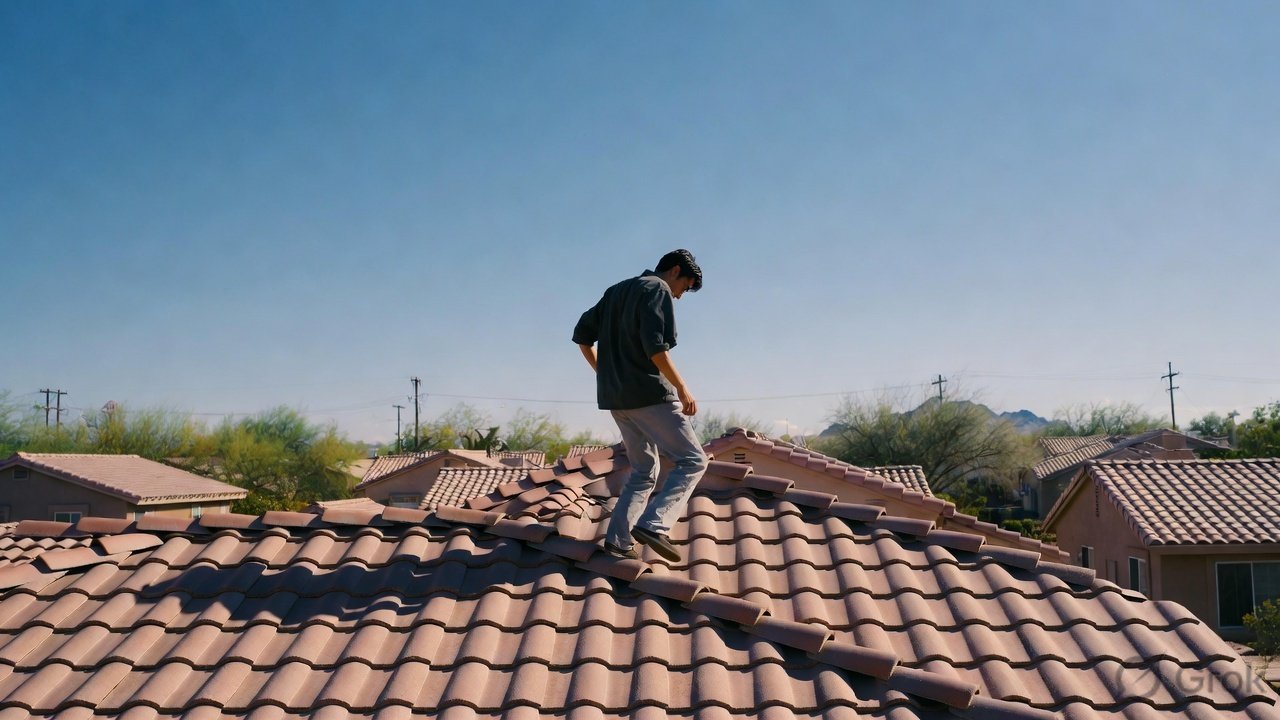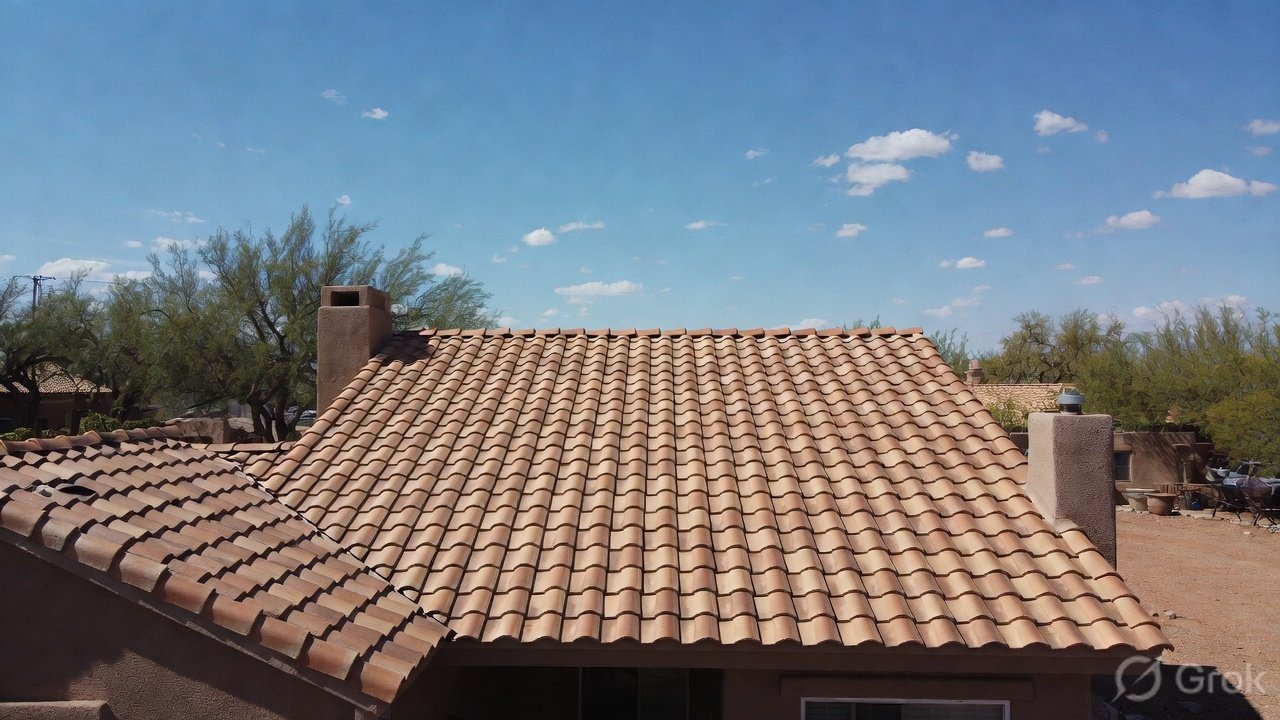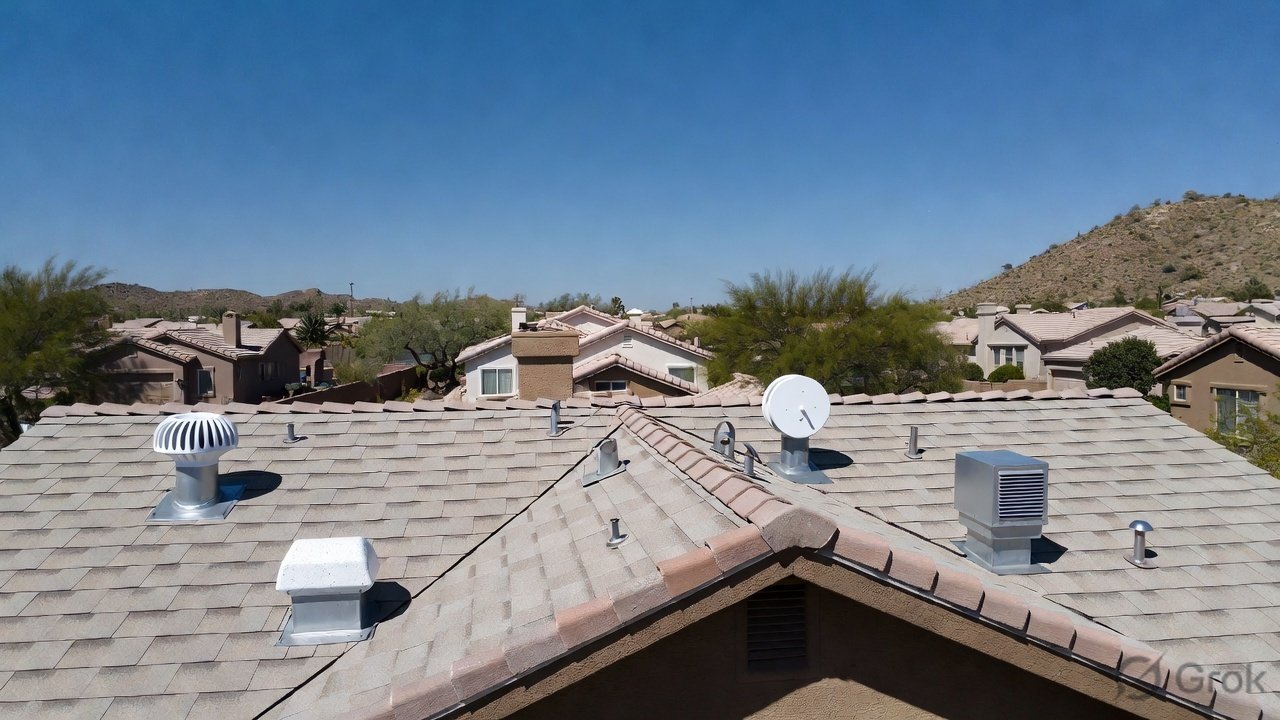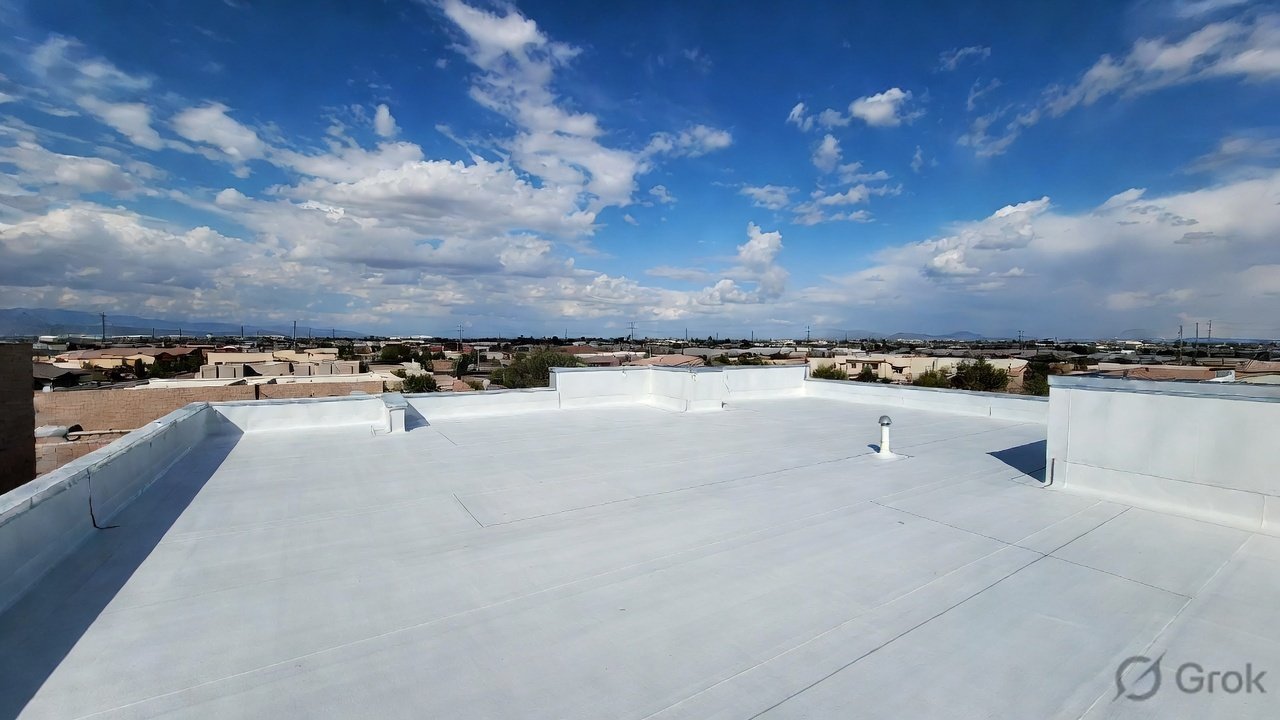
Phoenix is one of the hardest cities in North America on flat and low-slope roofs. With summer temperatures regularly exceeding 110 degrees Fahrenheit, nearly 300 days of intense UV exposure per year, and monsoon storms that arrive violently between July and September, flat roofing systems in the Valley face cumulative stress that most materials simply aren’t engineered to handle indefinitely.
Spray Polyurethane Foam — commonly called SPF or foam roofing — has become one of the most effective and widely used flat roofing solutions across Phoenix and Maricopa County. It handles extreme heat, resists UV degradation, creates a seamless waterproof surface, and when properly maintained can last 30 years or more without a full tear-off and replacement.
But before any Phoenix homeowner or property manager commits to a foam roofing project, the first question is always the same: what does it actually cost in 2026? This guide gives you real, current Phoenix pricing, breaks down every factor that influences the final number, explains the recoating cycle, and helps you evaluate estimates confidently before signing any contract.
What Is a Foam Roof Coating and How Does It Work?
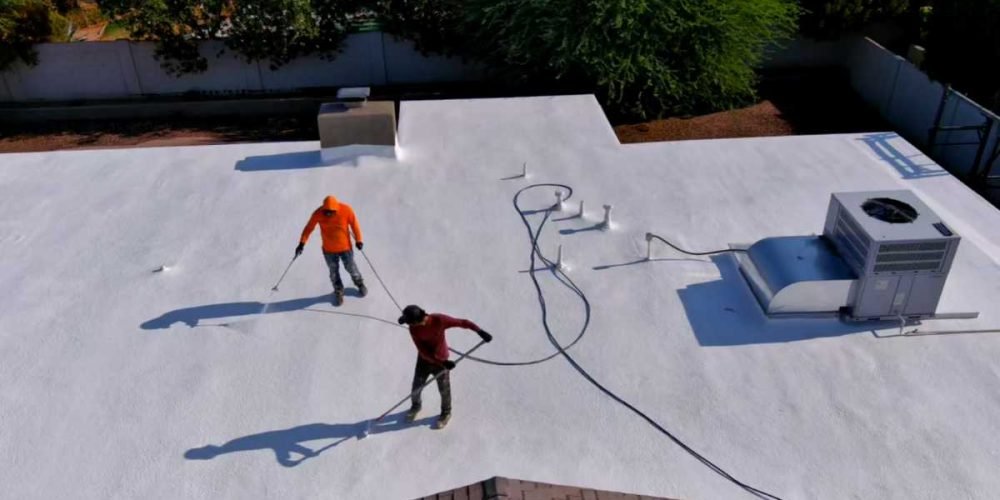
Spray Polyurethane Foam is a two-component liquid system — isocyanate and polyol resin — mixed at the spray gun tip and applied directly onto your existing roof surface. As it contacts the roof, it expands rapidly into a rigid, closed-cell foam that bonds firmly to the substrate, fills all low spots and surface irregularities, and creates a fully seamless surface with no joints, seams, or fasteners where water can enter.
Once the foam is applied and cured, a protective elastomeric coating is sprayed over the top. This coating — typically acrylic, silicone, or urethane — shields the foam from Phoenix’s intense UV radiation, which would otherwise degrade unprotected foam within months. The coating is also what gives a foam roof its white or light-gray reflective surface, dramatically reducing heat absorption during Phoenix summers.
The result is a roofing system that is simultaneously insulating, waterproof, seamless, and reflective — four properties that are exceptionally valuable in the Sonoran Desert climate.
Average Foam Roof Coating Cost in Phoenix, AZ (2026)
Based on current contractor pricing across Maricopa County in 2026, here is what Phoenix homeowners and property owners are paying for foam roofing:
- New foam roof installation (full system — foam plus coating): $4.00 to $8.00 per square foot installed
- Recoating an existing foam roof in good condition: $1.50 to $3.50 per square foot
- Premium silicone coating systems or complex roof geometry: $7.00 to $10.00 per square foot
For a typical Phoenix home with a 1,500 square foot flat or low-slope roof, a complete new foam installation runs between $6,000 and $12,000. For a 2,500 square foot flat roof, expect a range of $10,000 to $20,000 for a full system.
Here is a size-based breakdown to help you plan:
| Roof Size | New Installation | Recoat Only |
|---|---|---|
| 1,000 sq ft | $4,000 – $8,000 | $1,500 – $3,500 |
| 1,500 sq ft | $6,000 – $12,000 | $2,250 – $5,250 |
| 2,000 sq ft | $8,000 – $16,000 | $3,000 – $7,000 |
| 2,500 sq ft | $10,000 – $20,000 | $3,750 – $8,750 |
All figures reflect 2026 Phoenix, AZ labor and material rates. Actual costs vary based on roof condition, accessibility, foam thickness, and coating type. Always request a written, itemized estimate before work begins.
What Factors Drive Foam Roof Coating Costs Up or Down in Phoenix?
The per-square-foot price you receive from a Phoenix roofing contractor is not arbitrary. Several concrete variables push the number in either direction, and understanding them helps you evaluate competing estimates intelligently.
Roof Size and Complexity
Larger, simple flat roofs cost less per square foot than smaller or geometrically complex ones. When a roof has multiple levels, numerous penetrations such as HVAC units, skylights, and plumbing vents, or irregular shapes, it takes significantly more time and material to cover every surface correctly. Complex roofs can cost 20 to 30 percent more per square foot than a straightforward flat rectangle.
Existing Roof Condition
This is often the single biggest variable in a Phoenix foam roofing estimate. Before foam can be applied, the existing surface must be clean, dry, and structurally sound. If your current roof has ponding water damage, delamination, soft spots, rotted decking, or failed flashings, all of that must be addressed before the foam goes on. Prep and repair work can add $500 to $3,000 or more to the project cost depending on the extent of damage found.
A reputable contractor will identify all of these conditions during the inspection and include them in the written estimate. Be cautious of quotes that arrive with no mention of prep work — skipping surface preparation on a damaged Phoenix roof guarantees premature failure.
Foam Thickness
Foam is typically applied in layers ranging from one inch to two inches in Phoenix residential applications. Thicker foam provides greater insulation value and a longer-lasting substrate for the coating. More thickness means more material and higher cost upfront, but it also extends the effective life of the system significantly. Most quality Phoenix installations specify a minimum of one to one-and-a-half inches.
Coating Type
The protective coating applied over the foam comes in several formulations, each with different performance levels and price points.
Acrylic coatings are the most affordable option and perform well in Phoenix’s dry climate, but they can lose adhesion when exposed to prolonged standing water — which matters on flat roofs that don’t drain perfectly during monsoon downpours.
Silicone coatings are the premium choice for Phoenix flat roofs. They maintain flexibility across Phoenix’s wide daily temperature swings, remain fully waterproof even under standing water, and hold up exceptionally well to UV exposure without chalking or becoming brittle. Silicone costs more upfront but consistently outperforms acrylic over the full recoating cycle in the Valley’s climate.
Urethane coatings offer excellent impact resistance and are typically reserved for high-traffic or commercial applications rather than standard residential flat roofs.
Contractor Experience and Licensing
Foam roofing is one of the most technique-dependent roofing systems in existence. The mixing ratio of the two foam components, spray pressure and temperature, application thickness, and timing between foam and coating layers all directly affect the quality of the finished product. A poorly applied foam roof blisters, cracks, absorbs moisture, and fails years ahead of schedule.
In Arizona, all roofing contractors are required to hold an active ROC license issued by the Arizona Registrar of Contractors. Always verify the license before signing anything. At Reliable Roofing Near Me, our license number is ROC 355096, verifiable at any time through the official Arizona ROC website.
The Foam Roof Recoating Schedule: What Every Phoenix Owner Needs to Know
One of the most misunderstood aspects of foam roofing is the maintenance requirement. The foam itself — once properly installed — does not need to be replaced. What wears out over time is the protective elastomeric coating on top, which takes the full brunt of Phoenix’s UV radiation year after year.
In Phoenix’s climate, the protective coating typically needs to be refreshed every five to ten years, depending on the coating type, original application thickness, and roof exposure. Silicone coatings generally last toward the longer end of that range. Acrylic coatings in high-UV Phoenix conditions may need attention closer to the five to seven year mark.
When the coating is maintained on schedule, the foam substrate beneath remains fully protected and continues performing indefinitely. This is what makes foam roofing genuinely renewable — you are refreshing the surface layer rather than tearing off and replacing the entire system.
Neglecting the recoating schedule in Phoenix is a serious and costly mistake. Once the protective coating fails and UV radiation begins degrading the foam directly, the damage accelerates rapidly and repair costs climb to three to four times the rate of a routine recoat. A standard recoat at $1.50 to $3.50 per square foot is always a far better outcome than emergency foam repairs.
Signs Your Phoenix Foam Roof Needs Attention
Knowing when to call a contractor before a small issue becomes a major repair is one of the most valuable skills a Phoenix flat-roof owner can develop. Watch for these indicators:
- Visible cracking, crazing, or checking across the coating surface
- Small blisters or bubbles forming on the roof field
- Significant color fading or chalking of the white coating surface
- Exposed foam visible in any area where the coating has worn through
- Minor leak spots near drains, scuppers, or roof penetrations
- Interior water stains appearing on ceilings beneath the flat roof section
Any of these signs warrants a professional inspection. Catching coating degradation early in Phoenix — before the foam itself is compromised — keeps repair costs minimal and extends the life of the system significantly.
Is Foam Roof Coating Worth the Cost in Phoenix?
For flat and low-slope roofs in Phoenix, foam roofing is one of the strongest long-term investments available. The case rests on three clear pillars.
Energy performance: Foam roofing’s closed-cell structure and reflective coating surface can reduce roof surface temperatures by 40 to 60 degrees Fahrenheit compared to an uncoated dark surface. In Phoenix, where air conditioning accounts for a disproportionate share of summer utility bills, that thermal performance translates into measurable savings across every cooling season for the life of the roof.
Waterproofing integrity: A seamless foam system has no joints, seams, laps, or fastener penetrations — every one of which is a potential water entry point in a conventional roof assembly. During Phoenix monsoons, when rainfall intensity can be extreme and drainage systems get overwhelmed in minutes, that seamless waterproofing provides a structural advantage no conventional system can match.
Long-term cost efficiency: A foam roof that is properly installed and maintained on schedule can deliver 30 or more years of service without a full replacement. Compared to modified bitumen flat roofing systems that typically require full replacement every 15 to 20 years in Phoenix conditions, the total cost of ownership over 30 years often favors foam despite its higher upfront price.
How to Evaluate Foam Roof Coating Quotes in Phoenix
When collecting estimates from Phoenix roofing contractors, every written quote should include the following:
- Scope and method of surface preparation
- Foam thickness specification in inches
- Coating type and number of coats
- Warranty terms covering both materials and workmanship
- Permit handling confirmation
- Contractor’s active Arizona ROC license number
Any estimate that lacks a foam thickness specification or coating type is incomplete. Any contractor who cannot provide an active ROC license number on request should be disqualified immediately. In Arizona, performing roofing work without an ROC license is illegal, and homeowners who hire unlicensed contractors have no legal recourse if the work fails.
Frequently Asked Questions: Foam Roof Coating Cost in Phoenix
How long does a foam roof last in Phoenix?
A properly installed foam roof that is maintained on its recoating schedule — refreshing the protective elastomeric coating every five to ten years — can last 30 years or more in Phoenix’s climate. The foam substrate itself does not wear out; it is the protective coating on top that requires periodic renewal.
Does foam roofing require a permit in Phoenix?
Yes. New foam roof installations in Phoenix typically require a permit from the City of Phoenix Building Services Department or the applicable local jurisdiction. A licensed roofing contractor handles permit filing on your behalf before work begins. Never allow a contractor to begin work without a pulled permit — unpermitted roofing work can create serious complications when you sell your property.
What is the best coating for a foam roof in Phoenix?
Silicone elastomeric coating is generally the top choice for Phoenix foam roofs. It maintains waterproofing integrity even under standing water, resists UV degradation without chalking, and holds its flexibility across Phoenix’s wide daily temperature range better than acrylic alternatives.
Can foam roofing be applied over my existing flat roof?
In most cases, yes. Foam can be applied directly over clean, structurally sound existing surfaces including modified bitumen and built-up roofing. Deteriorated, wet, or structurally compromised areas must be repaired before foam application. Your contractor’s inspection will determine whether your existing roof is a suitable substrate.
How do I know when my foam roof needs recoating?
Common indicators include visible surface cracking or crazing, small blisters forming on the roof field, significant color fading, or exposed foam in any areas. An annual visual inspection and a professional inspection every two to three years is the most reliable approach in Phoenix’s UV-intense climate.
Ready to Get a Foam Roof Coating Estimate in Phoenix?
At Reliable Roofing Near Me, we inspect, install, and maintain foam roof systems for residential and commercial properties across Phoenix and more than 40 Arizona cities. We’ll evaluate your current roof condition honestly, specify the right foam thickness and coating system for your property, and provide a written, itemized estimate with no hidden costs and no pressure.
Call us at (480) 867-9986 or visit reliableroofingnearme.com to schedule your free foam roof inspection today. We serve Phoenix, Mesa, Scottsdale, Glendale, Peoria, Chandler, Gilbert, Tempe, Surprise, and every community across the Valley.
Reliable Roofing Near Me | (480) 867-9986 | reliableroofingnearme@gmail.com | reliableroofingnearme.com | 12428 N 28th Dr Suite 12430, Phoenix, AZ 85029 | ROC License #355096