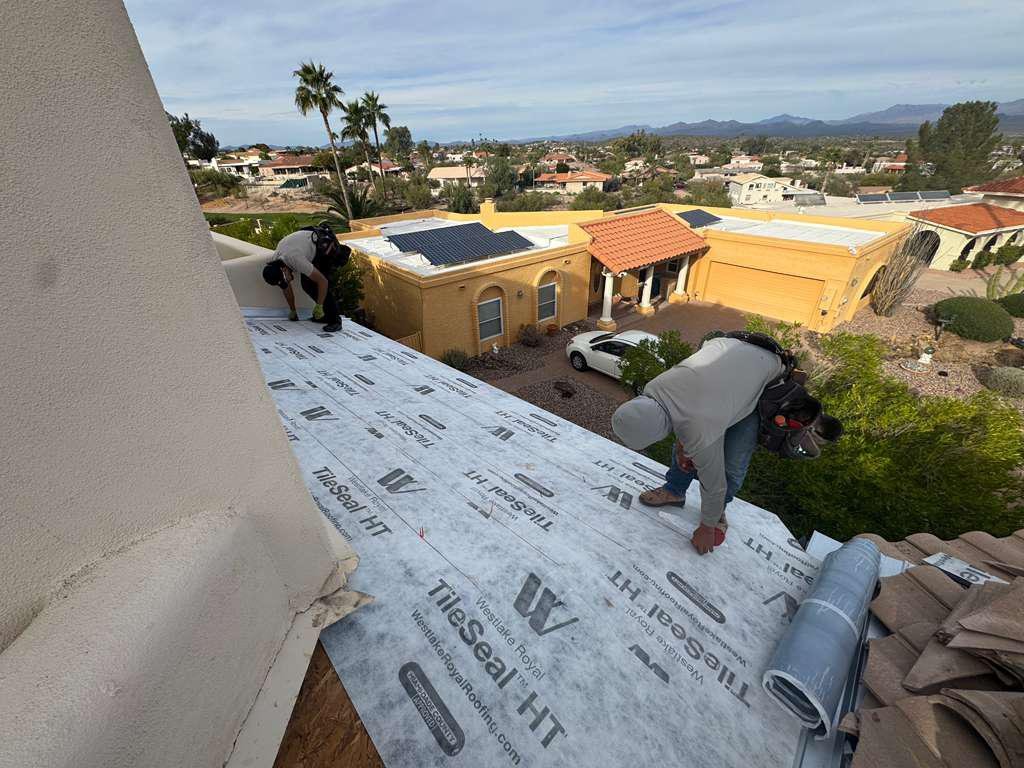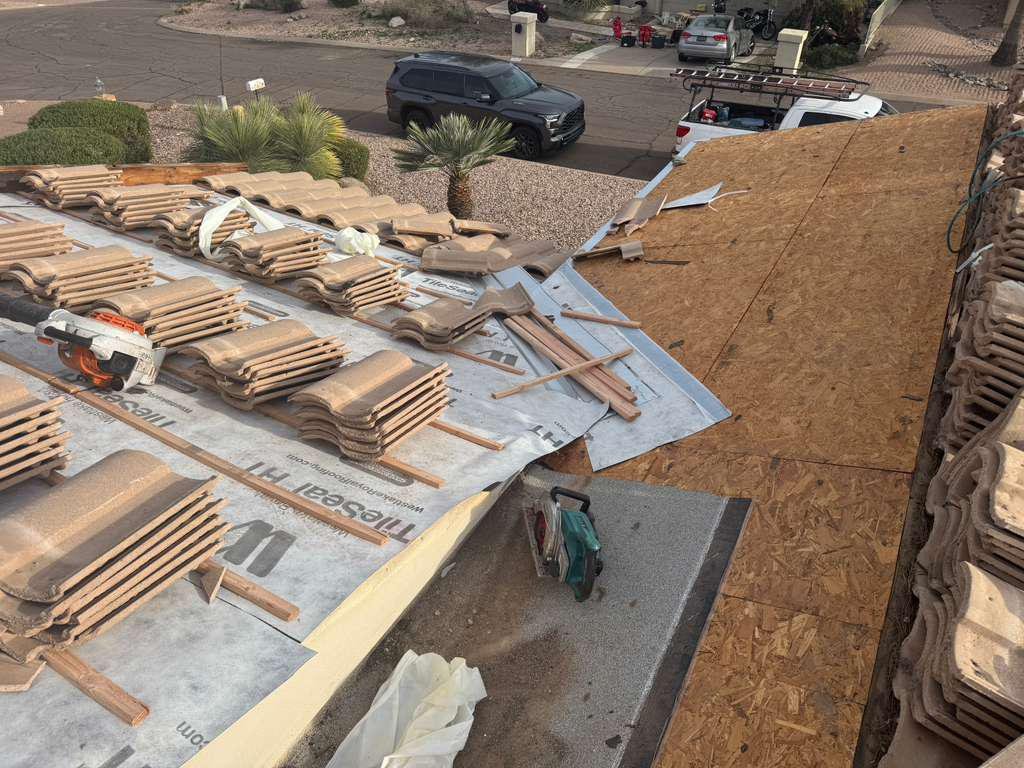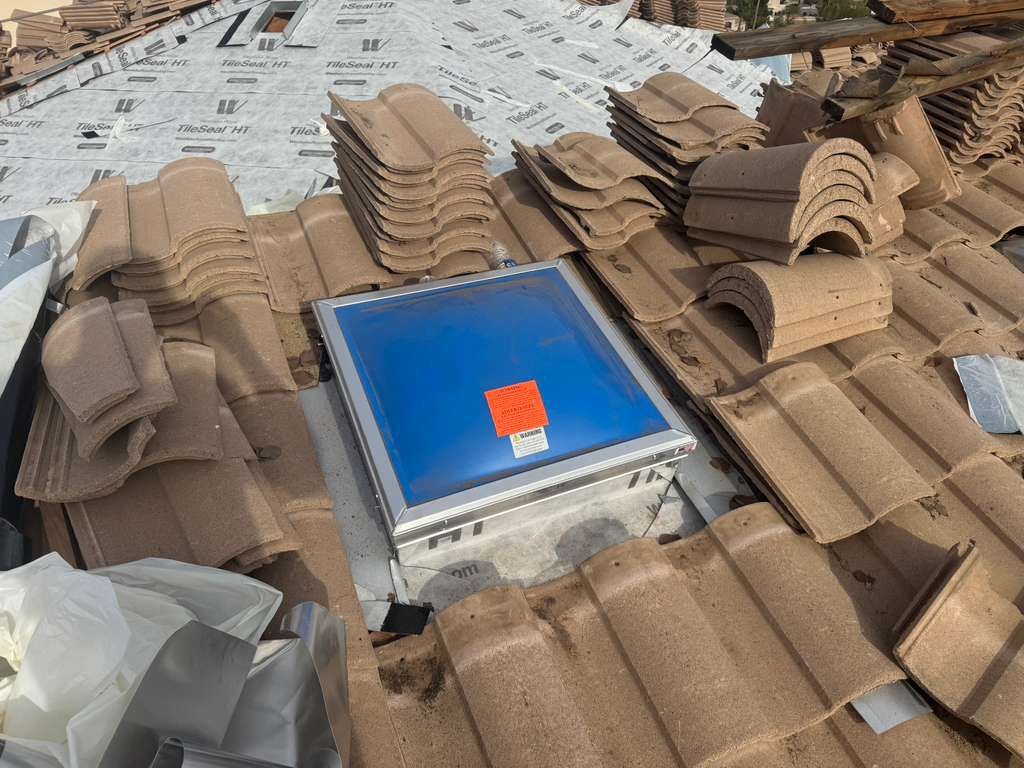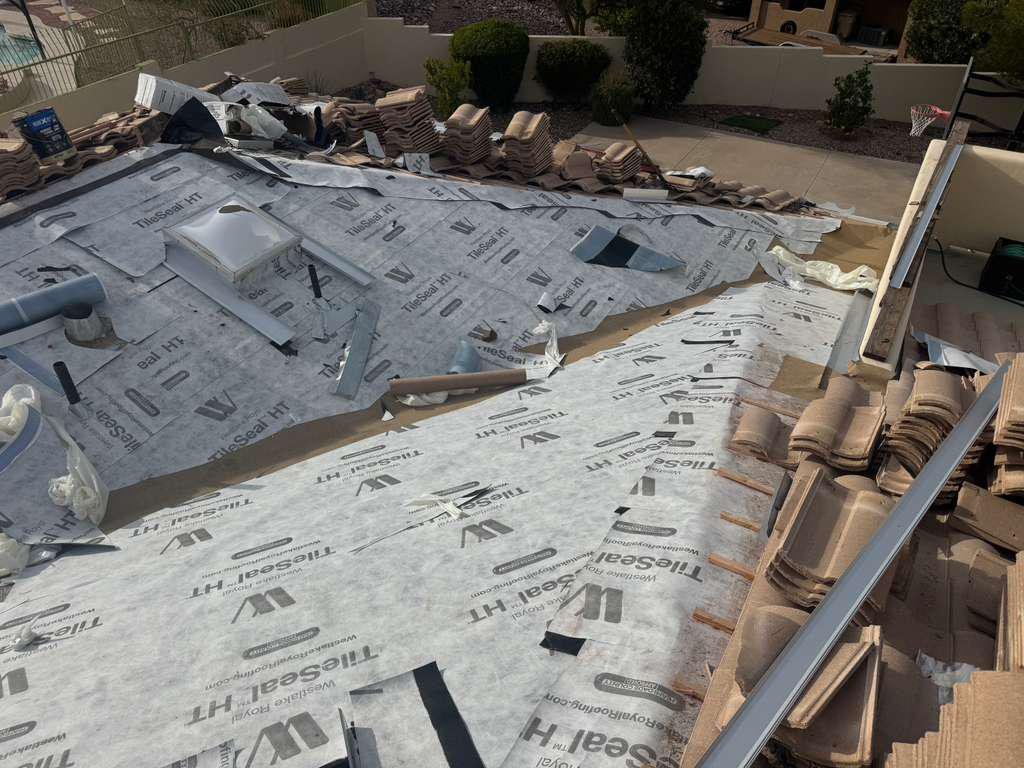
Flat and low-slope roofing covers a substantial portion of Phoenix’s built environment. Mid-century ranch homes, Southwestern-style residences, commercial buildings, and industrial properties throughout the Valley rely on flat roofing systems to protect their structures from Arizona’s intense heat, UV radiation, and monsoon rainfall.
But flat roofing is not a single product — it is a category that includes several meaningfully different systems, each with different performance characteristics, cost profiles, and maintenance requirements in Phoenix’s specific climate.
This guide breaks down the three most common flat roofing options in the Phoenix metro — TPO, spray polyurethane foam (SPF), and modified bitumen — so you can make an informed decision for your specific property.
Why Flat Roofing Requires Specific Expertise in Phoenix
Before comparing materials, it is worth understanding what makes flat roofing in Phoenix different from flat roofing in other climates.
Phoenix’s flat roofs contend with:
- Intense UV radiation — among the highest in the continental United States — which degrades membrane materials faster than virtually any other market
- Extreme thermal cycling — surface temperatures can swing from near freezing overnight in winter to 180°F on a summer afternoon, placing extraordinary stress on roofing membranes
- Concentrated monsoon rainfall — brief, intense storms that deliver large volumes of water in short periods, testing drainage systems and membrane integrity simultaneously
- Minimal rainfall between events — meaning debris, dust, and organic material can accumulate on flat surfaces without regular washoff
These conditions accelerate the normal wear mechanisms of flat roofing materials and make proper product selection and installation quality more consequential than in moderate climates.
Option 1: TPO (Thermoplastic Polyolefin)
What It Is
TPO is a single-ply membrane roofing system consisting of a flexible thermoplastic sheet typically 45 to 80 mils thick, heat-welded at seams to create a continuous, watertight surface. It is currently the most widely installed commercial flat roofing material in the United States and has significant residential market share in Phoenix.
Performance in Phoenix
TPO’s defining characteristic is its high reflectivity. White TPO membranes reflect a significant portion of solar radiation, reducing heat gain through the roof deck — a particularly valuable property in Phoenix where reducing cooling loads has direct and measurable energy cost impact. Energy Star-rated TPO membranes can meaningfully reduce peak cooling demand in Phoenix commercial buildings.
TPO is compatible with Phoenix’s thermal cycling when properly installed. The heat-welded seams are the critical quality indicator — a properly heat-welded TPO seam creates a bond that is actually stronger than the membrane itself. Poor seam welding is the primary failure mode in TPO systems and the most common reason for early TPO failures in the Phoenix market.
Pros
- Strong reflectivity — meaningful energy savings in Phoenix’s cooling-intensive climate
- Heat-welded seams are highly durable when properly executed
- Resistant to biological growth, algae, and debris-related degradation
- Recyclable material
- Competitive cost relative to performance
- Compatible with rooftop HVAC and solar panel installations
Cons
- Quality is highly installation-dependent — poor seam welding is catastrophic
- Requires professional installation; not a DIY-compatible system
- Membrane puncture from foot traffic or debris is possible without walkway protection
- Color options are limited (white and light gray dominant)
Cost in Phoenix
TPO installation in Phoenix typically runs $5.50 to $9.00 per square foot installed for standard commercial and residential applications, depending on roof complexity, membrane thickness, and attachment method (mechanically attached, fully adhered, or ballasted).
Best For
Commercial buildings, flat-section residential roofs where energy efficiency is a priority, and properties where long-term maintenance cost minimization is the goal.
Option 2: Spray Polyurethane Foam (SPF / Foam Roofing)
What It Is
Spray polyurethane foam roofing is applied as a liquid that expands and solidifies into a rigid, seamless foam layer across the entire roof surface, then covered with a protective elastomeric coating (typically acrylic or silicone). Phoenix is one of the largest markets for foam roofing in the United States — the system has been installed on Phoenix homes and commercial buildings for decades and has a proven track record in the desert Southwest specifically.
Performance in Phoenix
Foam roofing is uniquely well-suited to Phoenix’s climate for several reasons. The seamless application eliminates the seams and penetrations that are the primary failure points in membrane roofing systems — foam simply covers the entire surface and conforms to any penetrations or irregularities. This is particularly valuable in Phoenix where thermal expansion and contraction stress seams repeatedly over time.
The system’s thermal insulation value is also notable. Foam adds genuine R-value to the roof assembly — typically R-6 per inch — which reduces both heat gain in summer and heat loss in the cooler months. In Phoenix’s climate, the summer heat gain reduction delivers the most value.
The primary maintenance requirement for foam roofing is recoating. The elastomeric coating that protects the foam from UV degradation must be reapplied on a schedule — typically every 5 to 10 years depending on the coating type and application weight. A foam roof that is consistently recoated can last 30 to 40 years. A foam roof that is allowed to go uncoated past its maintenance interval will suffer UV degradation of the foam itself, which is expensive to remediate.
Pros
- Completely seamless — eliminates the seam failure points of membrane systems
- Excellent thermal insulation value (R-value) — reduces heat gain and energy costs
- Self-flashing — foam conforms to penetrations and curbs without separate flashing details
- Highly compatible with Phoenix’s flat-to-low-slope residential architecture
- Long lifespan when maintained (20–40+ years)
- Lightweight — adds minimal load to the structure
Cons
- Requires regular recoating (typically every 7–10 years) to maintain integrity
- Not appropriate during rain or high humidity — application window is weather-dependent
- Hail damage can puncture the foam if the coating layer is insufficient
- Application requires professional equipment and training
- Not appropriate for roofs with persistent standing water (ponding)
Cost in Phoenix
Foam roofing installation in Phoenix typically runs $4.00 to $7.50 per square foot for the initial installation. Recoating costs are $1.50 to $3.00 per square foot per recoating cycle. Over a 20-year period, total cost including maintenance is competitive with membrane alternatives.
Best For
Phoenix residential properties with flat or low-slope sections, buildings where seamless application is preferred over welded seams, and properties where thermal insulation performance is a priority alongside waterproofing.
Option 3: Modified Bitumen
What It Is
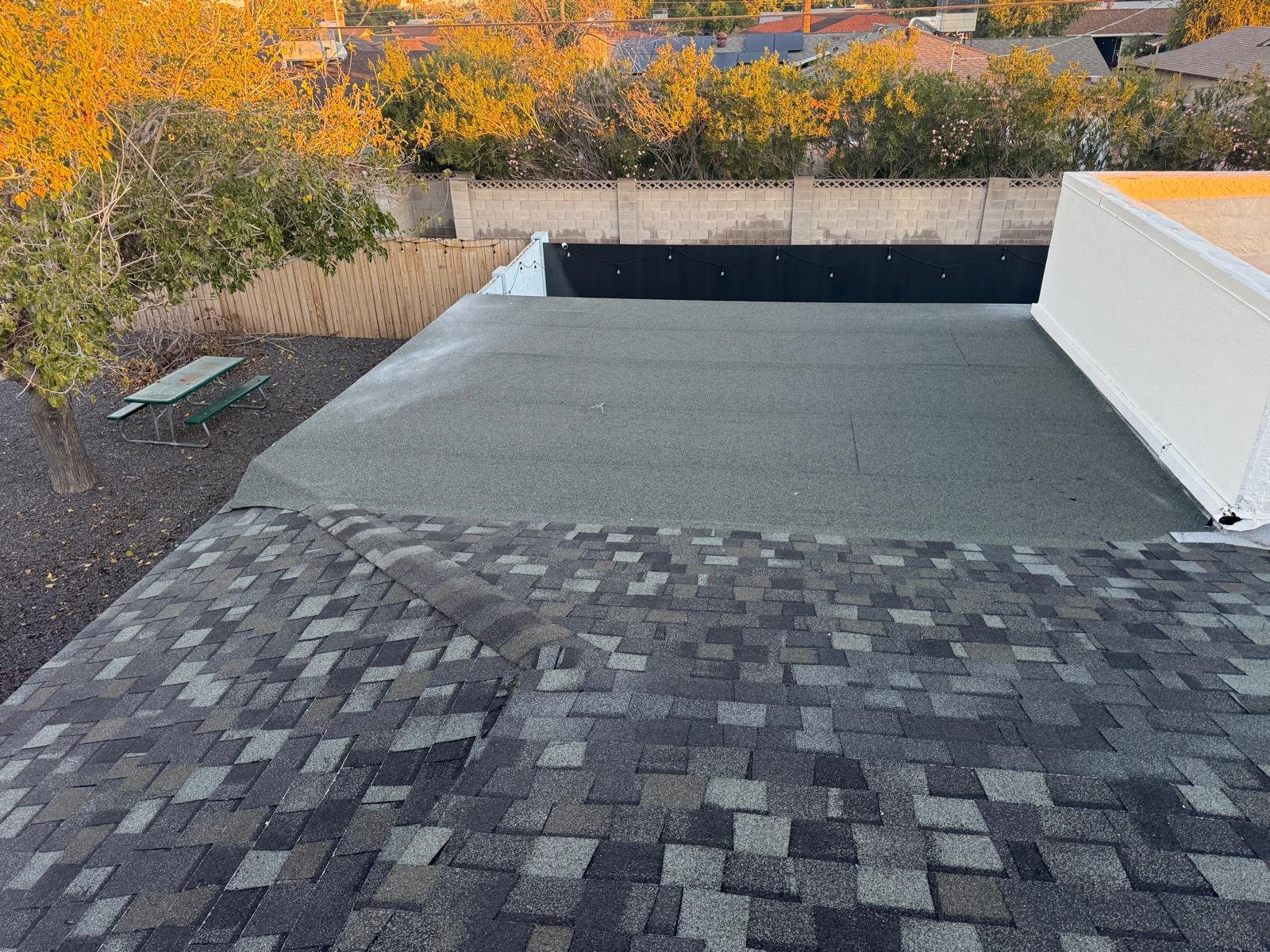
Modified bitumen is a multi-layer roofing system derived from asphalt, modified with rubber (SBS) or plastic (APP) polymers to improve flexibility and performance. It is typically applied in multiple layers — a base sheet and a cap sheet — using heat (torch-applied), cold adhesive, or self-adhering methods. Modified bitumen is one of the older established flat roofing systems and has a long history in the Phoenix market.
Performance in Phoenix
Modified bitumen’s primary strength is durability and impact resistance. The multi-layer construction creates a robust, puncture-resistant system that handles the debris impacts and foot traffic common on commercial rooftops better than single-ply membranes. Its layered construction also provides redundancy — a breach in one layer does not immediately compromise the system.
However, dark-colored modified bitumen absorbs rather than reflects solar heat — a significant disadvantage in Phoenix. APP-modified systems in particular can soften under extreme surface temperatures, which is a known limitation in Phoenix’s summer heat. SBS-modified systems have better flexibility at temperature extremes. Light-colored or reflective granule-surfaced cap sheets mitigate the heat absorption issue partially.
Modified bitumen is well-established and understood by Phoenix roofing contractors, making quality installation widely available. It is not the leading-edge choice for energy efficiency, but it delivers reliable waterproofing when properly installed.
Pros
- Excellent impact resistance and durability — handles foot traffic and debris well
- Multi-layer construction provides redundancy
- Long track record and widely understood by Phoenix contractors
- Granule-surfaced cap sheets provide UV protection without separate coating
- Can be applied in multiple ways (torch, cold adhesive, self-adhering)
- Compatible with rooftop equipment and HVAC installations
Cons
- Dark surfaces absorb heat — significantly less energy-efficient than TPO or foam in Phoenix
- Torch application carries fire risk if not executed by trained professionals
- Heavier than single-ply membranes
- Seams present — not seamless like foam
- Reflective coating or granules required for Phoenix performance; uncoated dark surfaces underperform
Cost in Phoenix
Modified bitumen installation in Phoenix typically runs $4.50 to $8.00 per square foot installed for a standard two-ply system, varying by application method and roof complexity.
Best For
Commercial and industrial properties where impact resistance and durability are primary concerns, roofs with frequent rooftop traffic, and applications where the proven track record of a well-established system is preferred.
Side-by-Side Comparison for Phoenix
| Factor | TPO | Foam (SPF) | Modified Bitumen |
|---|---|---|---|
| Energy efficiency (Phoenix) | Excellent | Excellent + insulation | Poor to moderate |
| Seam failure risk | Moderate (installation-dependent) | None (seamless) | Moderate |
| Lifespan (well-maintained) | 20–25 years | 25–40 years | 15–25 years |
| Maintenance required | Low | Recoating every 7–10 years | Low (granule surface) |
| Impact resistance | Moderate | Moderate | High |
| Installation cost (Phoenix) | $5.50–$9.00/sq ft | $4.00–$7.50/sq ft | $4.50–$8.00/sq ft |
| DIY-compatible | No | No | No |
| Best for | Commercial; energy efficiency | Residential + commercial; seamless | Commercial; durability |
Which System Is Right for Your Phoenix Property?
Choose TPO if: Your primary concern is energy efficiency with long-term low maintenance, you have a commercial building or large flat residential section, and you want a system with strong industry-wide track record and widespread contractor expertise.
Choose Foam (SPF) if: You want a seamless system without seam failure risk, your property has many penetrations or irregular surfaces that would be difficult to flash with membrane systems, or you want the additional insulation value that foam delivers in Phoenix’s heat.
Choose Modified Bitumen if: Impact resistance and durability under heavy rooftop use are your priorities, you prefer a layered redundant system, or you are looking for a reliable, well-understood option with competitive pricing.
For most Phoenix residential properties with flat sections, foam roofing has a strong local track record and the seamless application is particularly well-suited to the typical residential flat roof configuration. For commercial properties where energy performance is a priority, TPO is the industry-leading choice. Modified bitumen remains the preferred option for high-traffic commercial and industrial applications.
Get a Free Flat Roof Assessment in Phoenix
Reliable Roofing Near Me installs all three systems across Phoenix and the greater Valley. We will assess your specific property and recommend the system that is genuinely the best match for your situation — not the highest-margin option.
Call (480) 867-9986 or visit reliableroofingnearme.com to schedule your free assessment.
Reliable Roofing Near Me
ROC License #355096 | Licensed & Insured
12428 N 28th Dr Suite 12430, Phoenix, AZ 85029
(480) 867-9986 | reliableroofingnearme.com