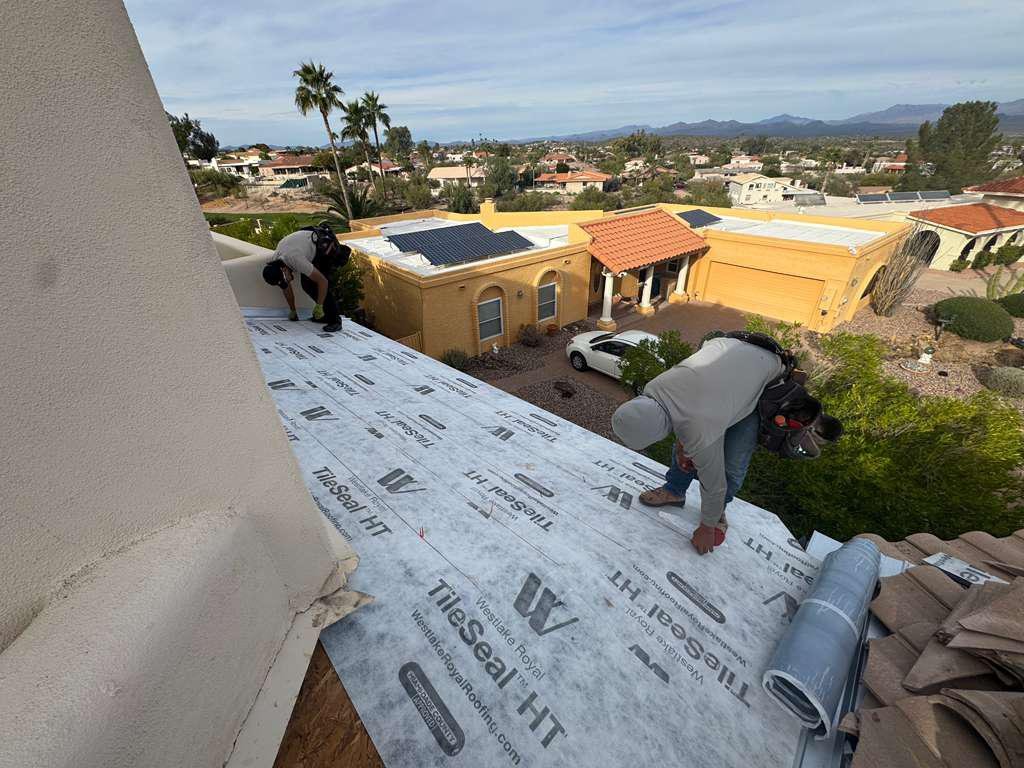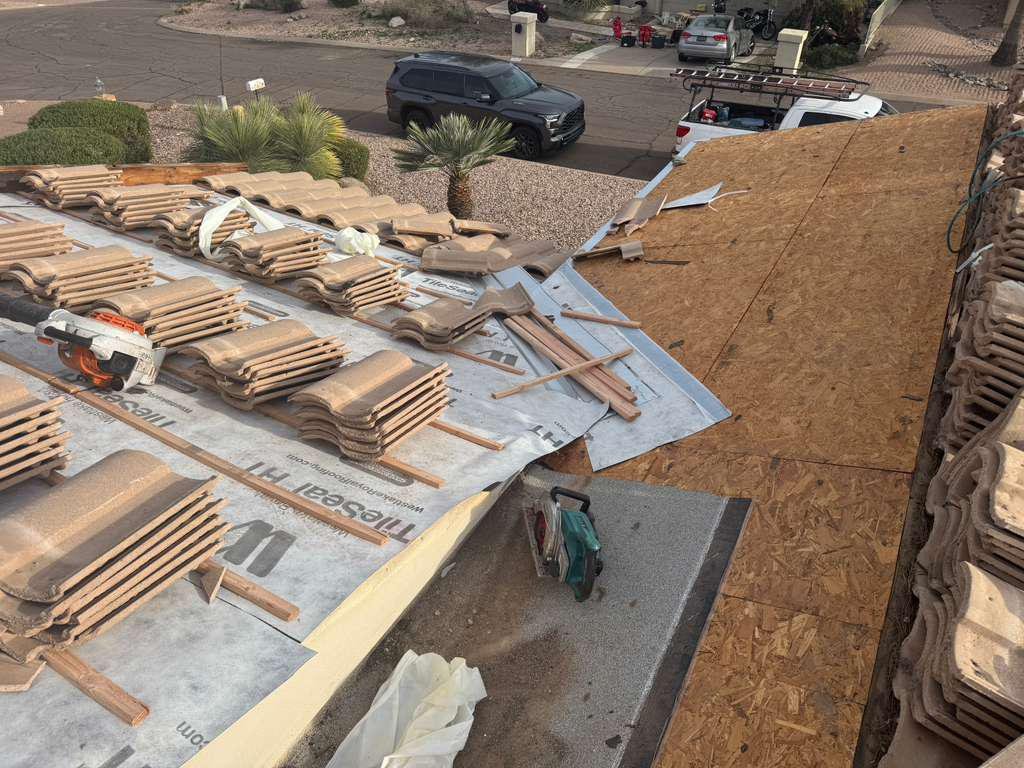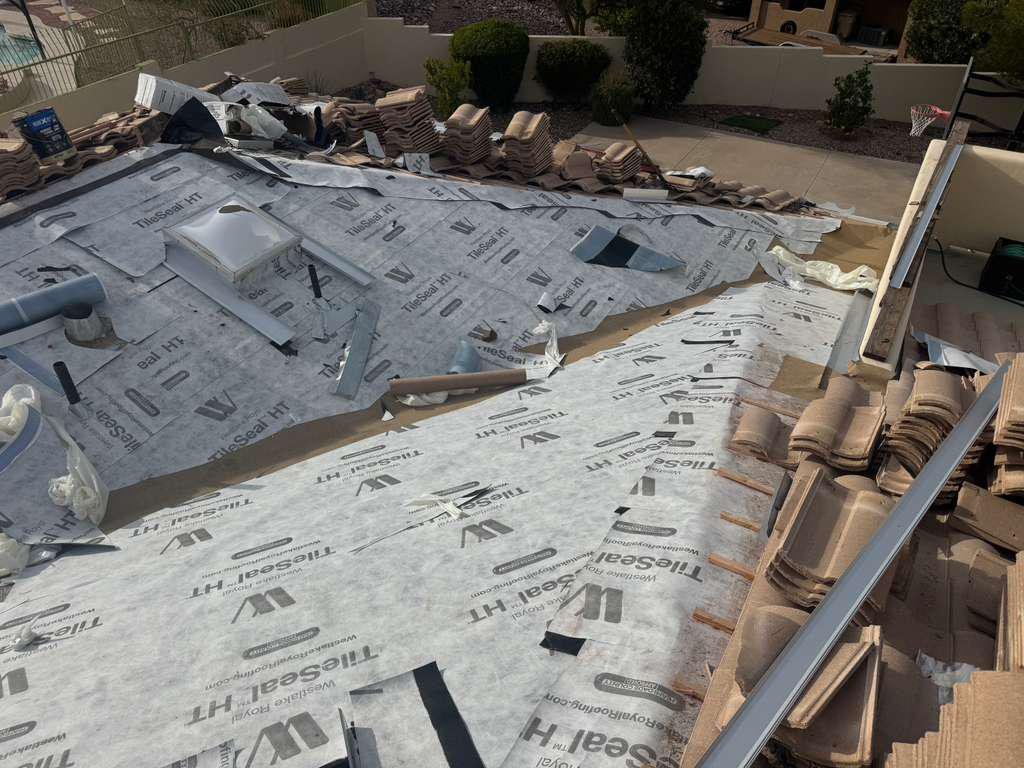
On a quiet August evening in Phoenix, Eric and Amanda Brooks heard the wind before they saw the rain. Within minutes, a monsoon microburst swept through their neighborhood near Deer Valley. The storm lasted less than 30 minutes. By the next morning, their hallway ceiling was sagging, insulation was soaked, and water had pooled beneath a skylight.
What shocked them most wasn’t the damage — it was how fast it happened.
Just two weeks earlier, Eric had noticed a loose tile near the ridge. It didn’t seem urgent. The roof looked solid. But that one small vulnerability was all it took. In Phoenix, roof repair in Phoenix AZ often becomes urgent not because storms are long — but because they’re sudden, powerful, and unforgiving.
This article explains how monsoon storms damage roofs so quickly, why small issues escalate overnight, and how Phoenix homeowners can protect themselves before the next storm hits.
Why Phoenix Monsoon Storms Are So Destructive to Roofs
Phoenix monsoons are not typical rainstorms. They bring a combination of conditions that roofs struggle to withstand.
Monsoon storms often include:
- Wind gusts exceeding 60–70 mph
- Wind-driven rain that moves sideways
- Sudden pressure changes (microbursts)
- Flying debris, dust, and gravel
- Intense rainfall in short bursts
According to the National Weather Service, monsoon-related microbursts are responsible for a large share of roof failures in the Phoenix metro area each year.
How One Small Roof Issue Becomes a Major Repair Overnight
Most major monsoon roof repairs start with a problem that already existed — unnoticed or ignored.
The Common Chain Reaction
- Pre-existing weakness (loose tile, aging underlayment, cracked flashing)
- High winds lift roofing materials
- Rain is driven under tiles or shingles
- Water spreads laterally beneath the roof system
- Insulation, drywall, and framing absorb moisture
- Interior damage appears hours later
By the time water shows inside, it has usually traveled several feet from the original entry point.
Why Tile Roofs Are Especially Vulnerable During Monsoons
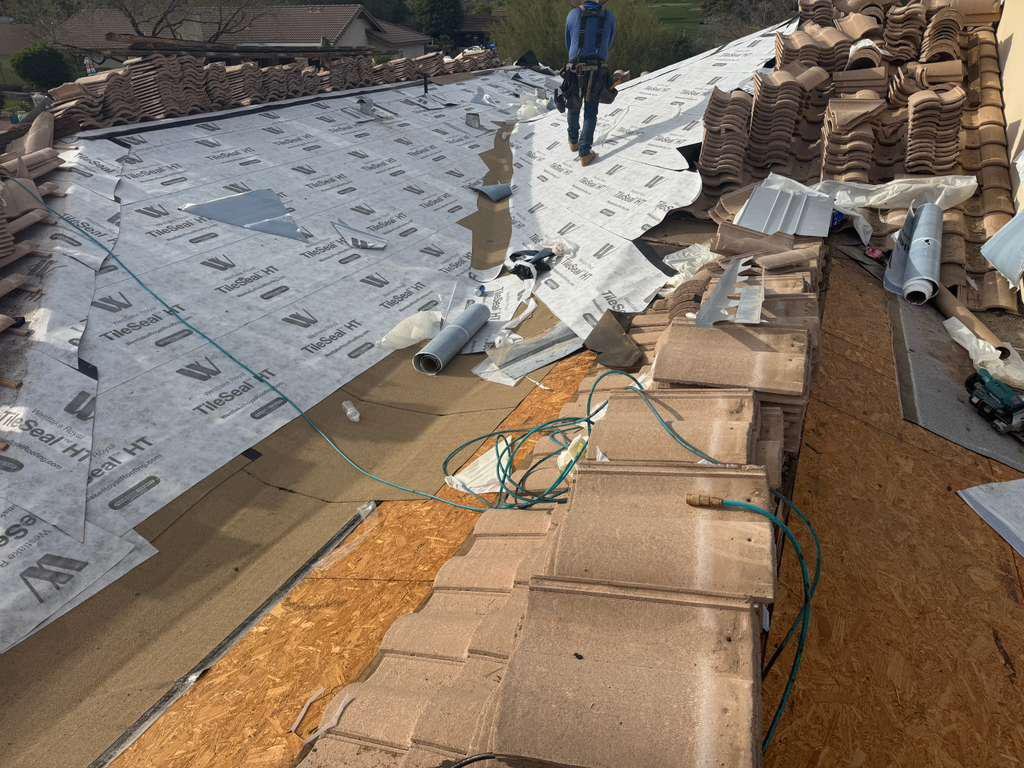
Tile roofs dominate Phoenix neighborhoods — but they also hide damage well.
Key monsoon-related tile roof issues include:
- Lifted tiles from wind pressure
- Cracked tiles caused by heat fatigue
- Exposed underlayment beneath shifted tiles
- Valley and ridge vulnerabilities
- Debris-driven impact fractures
Tiles themselves are not waterproof. When wind lifts them even slightly, rain is forced directly onto the underlayment — which may already be weakened by heat.
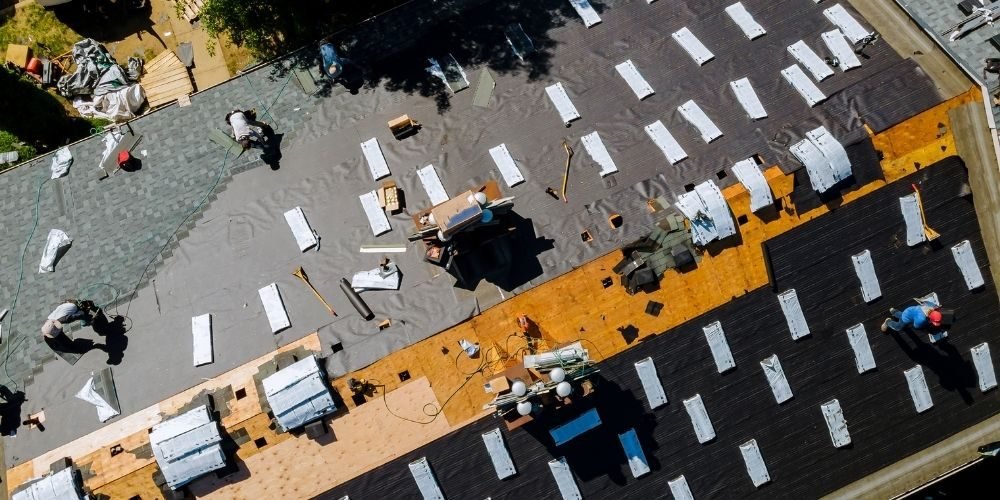
Shingle Roof Failures During Monsoon Storms
Shingle roofs in Phoenix are particularly susceptible to wind damage.
Common failures include:
- Shingles lifted or torn off
- Exposed nail heads
- Water intrusion beneath lifted edges
- Granule loss accelerated by rain
Once shingles lose their seal due to heat, monsoon winds finish the job.
Flat Roofs and Monsoon Water Intrusion
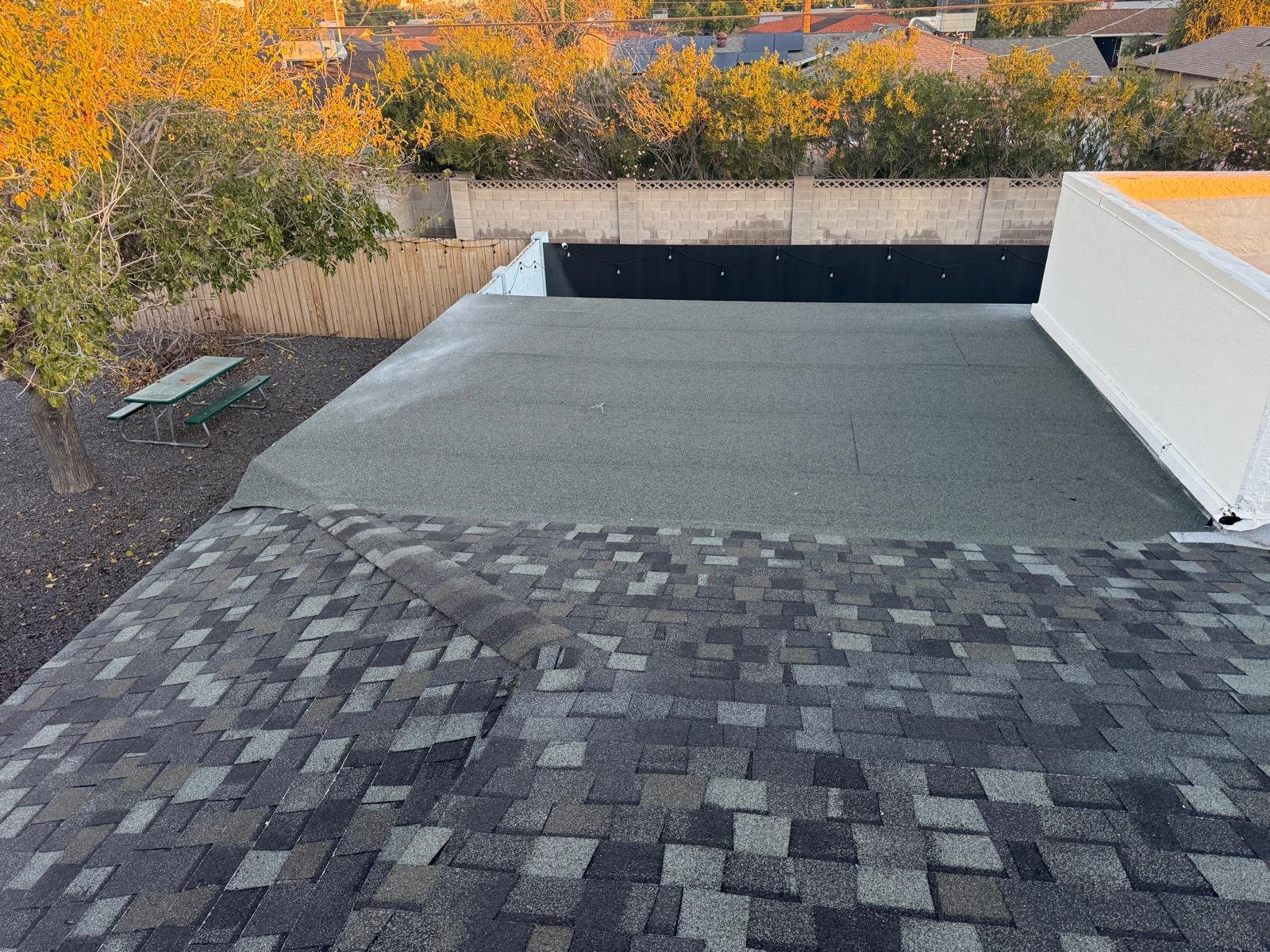
Flat and low-slope roofs face a different but equally serious threat.
Monsoon storms often cause:
- Rapid ponding water
- Drain overload or blockage
- Seam separation
- Parapet wall leaks
- Saturated insulation
Even a small drainage issue can lead to hours of standing water — increasing the risk of membrane failure and interior leaks.
Real Phoenix Monsoon Damage Examples
Case 1: Loose Tile Turns Into Interior Collapse
A North Phoenix home had one displaced ridge tile.
Storm impact:
- Wind lifted adjacent tiles
- Rain penetrated underlayment
- Ceiling drywall collapsed overnight
Total repair cost: $6,700
Preventive repair cost: $280
Case 2: Flat Roof Drain Blockage
A townhouse complex experienced ponding water after a monsoon.
Damage included:
- Wet insulation
- Blistered membrane
- Interior wall staining
Repair cost: $8,100
Pre-monsoon drain maintenance: $350
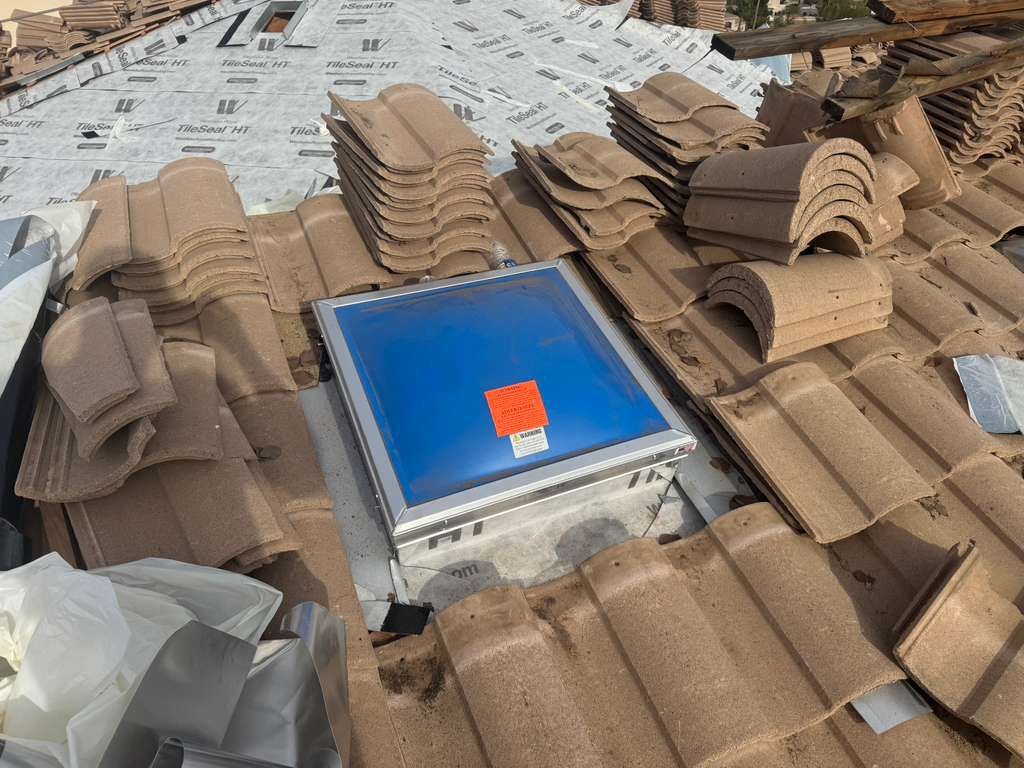
Case 3: Skylight Flashing Failure
A skylight seal weakened by heat failed under wind-driven rain.
Result:
- Attic saturation
- Mold development
- Electrical exposure
Repair cost: $9,200
Why Monsoon Damage Is Often Not Fully Covered by Insurance
Many homeowners assume storm damage is automatically covered. In reality, claims can be denied or reduced if:
- Damage resulted from lack of maintenance
- Roof was already deteriorated
- Underlayment failure predated the storm
- Repairs were delayed
- Documentation is missing
Insurance companies often require proof that the roof was maintained prior to the storm.
Warning Signs After a Monsoon Storm You Should Never Ignore
After any major storm, look for:
- Ceiling stains or discoloration
- Damp or musty odors
- Dripping sounds in walls or attic
- Missing or shifted tiles
- Debris accumulation in valleys
- Bubbling paint or peeling texture
These signs indicate active water intrusion — even if the storm has passed.
How to Protect Your Roof Before the Next Monsoon
Schedule a Pre-Monsoon Roof Inspection
The most effective way to prevent storm damage is identifying vulnerabilities before storms arrive.
Secure Loose Tiles and Shingles
Small fixes dramatically reduce wind-related failures.
Clean Roof Drains and Valleys
Blocked drainage is one of the biggest causes of flat roof leaks.
Repair Flashing and Sealants
Flashing failures are a top entry point for wind-driven rain.
Document Roof Condition
Inspection reports help protect insurance claims if storm damage occurs.
Why Phoenix Homeowners Trust Reliable Roofing Near Me
Reliable Roofing Near Me understands how Phoenix monsoons impact roofing systems — because we respond to storm damage every season.
Homeowners rely on us for:
- Licensed and insured roofing professionals
- Emergency monsoon response
- Honest inspections with photo documentation
- Tile, shingle, and flat roof expertise
- Clear repair explanations
- Long-term solutions — not temporary patches
📞 Call Reliable Roofing Near Me
(480) 867-9986
📍 Phoenix, AZ
🌐 https://reliableroofingnearme.com
Final Thought
Monsoon storms don’t create roof problems — they expose them.
A roof that survives one storm may not survive the next. Addressing small issues before monsoon season can be the difference between a quick repair and a major restoration.