Roof systems in the Phoenix Metro area age faster than in most parts of the United States. This isn’t an opinion — it’s supported by climate data and material performance studies.
If you live in Phoenix, Glendale, Mesa, Scottsdale, or nearby areas, understanding how extreme desert heat affects your roof can help you avoid premature roof replacement and costly structural repairs.
Let’s look at the actual data.
Phoenix Climate Data That Directly Impacts Roofing
According to National Weather Service data:
- Phoenix averages over 110 days per year above 100°F
- Summer highs regularly exceed 110–115°F
- The city averages 300+ sunny days annually
- Peak UV Index levels frequently reach 10–11 (Very High to Extreme)
- Roof surface temperatures can reach 150–170°F
These numbers matter because roofing materials are directly exposed to this intensity every day.
Roof lifespan is not only about time — it’s about heat exposure load.
1. UV Radiation and Asphalt Shingle Degradation
Ultraviolet radiation breaks down the chemical structure of asphalt shingles.
According to material performance studies from roofing manufacturers:
- UV exposure accelerates oxidation in asphalt
- Protective granules deteriorate faster in high-UV climates
- Sealants dry and lose flexibility
In moderate climates, architectural shingles may last 30–40 years.
In Phoenix Metro conditions, realistic performance is often closer to:
20–30 years, depending on ventilation and maintenance.
This is not product failure — it is environmental stress.
2. Thermal Cycling in Phoenix
Phoenix roofs experience daily temperature swings of 40–50°F between daytime highs and nighttime cooling.
This constant expansion and contraction causes:
- Fastener loosening
- Tile shifting
- Adhesive separation
- Micro-cracking in flat roof membranes
Over thousands of cycles per year, these small stresses accumulate and reduce structural integrity.
Research in building material science confirms that repeated thermal cycling shortens lifespan in polymer-based materials.
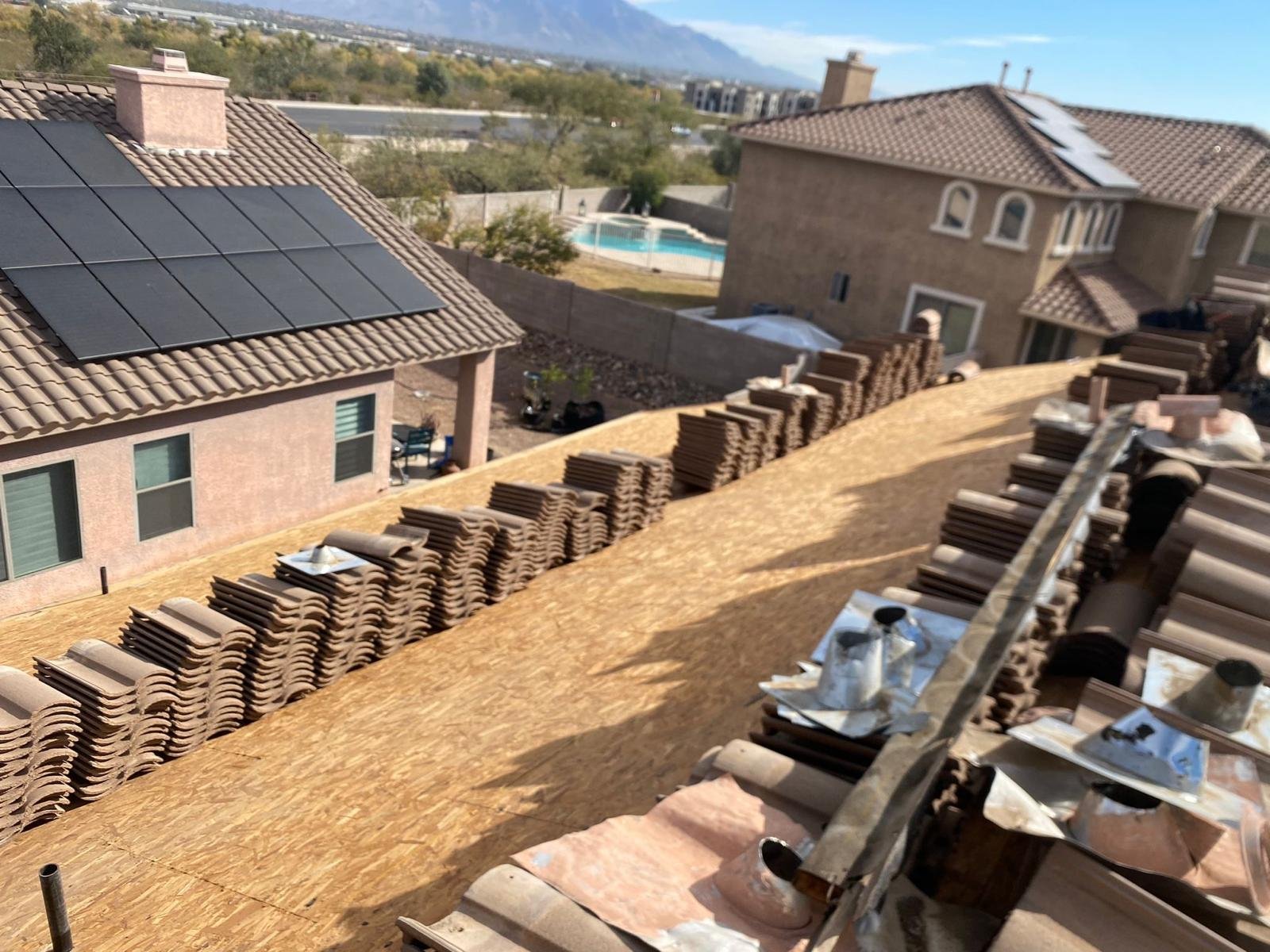
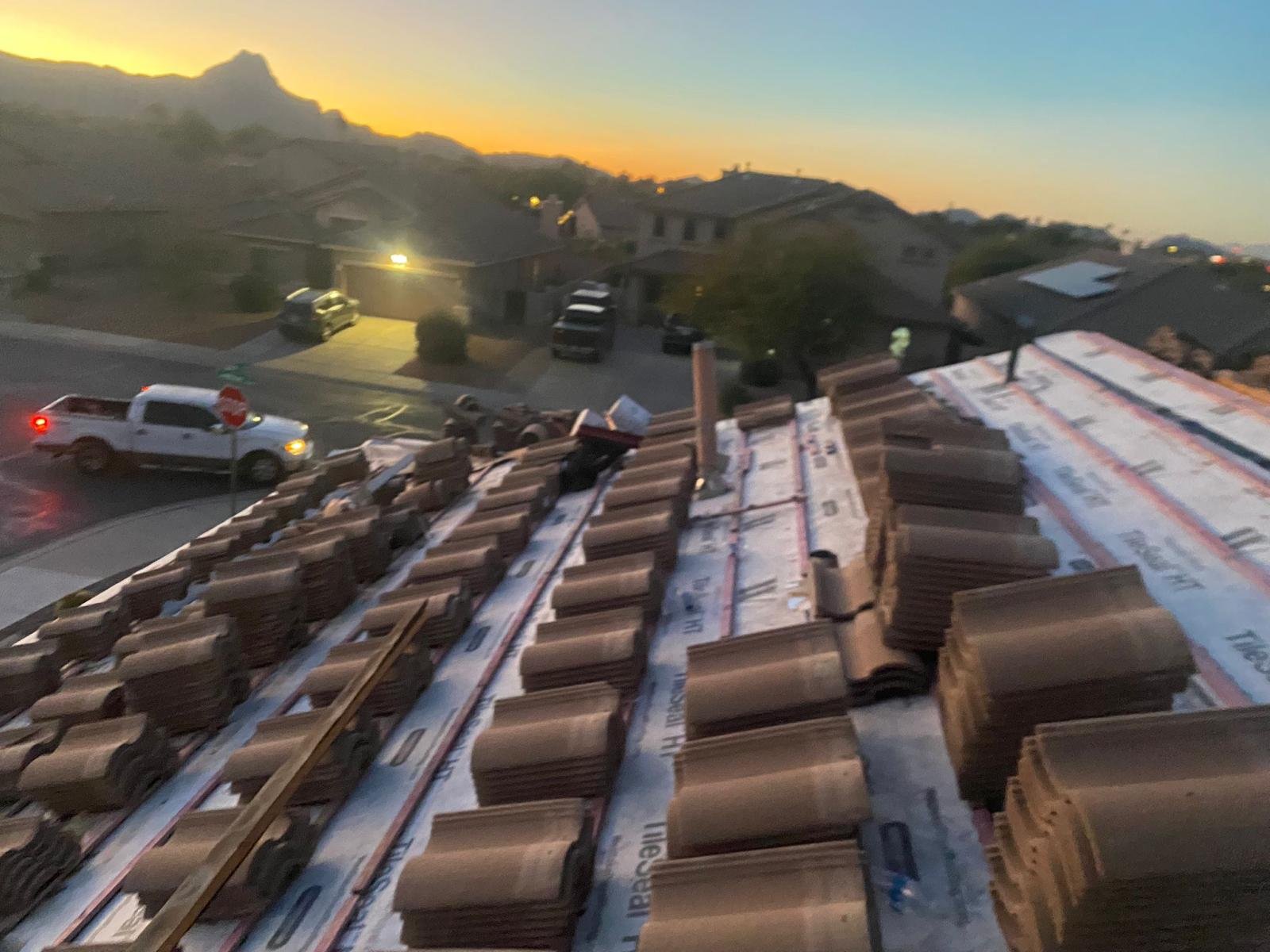
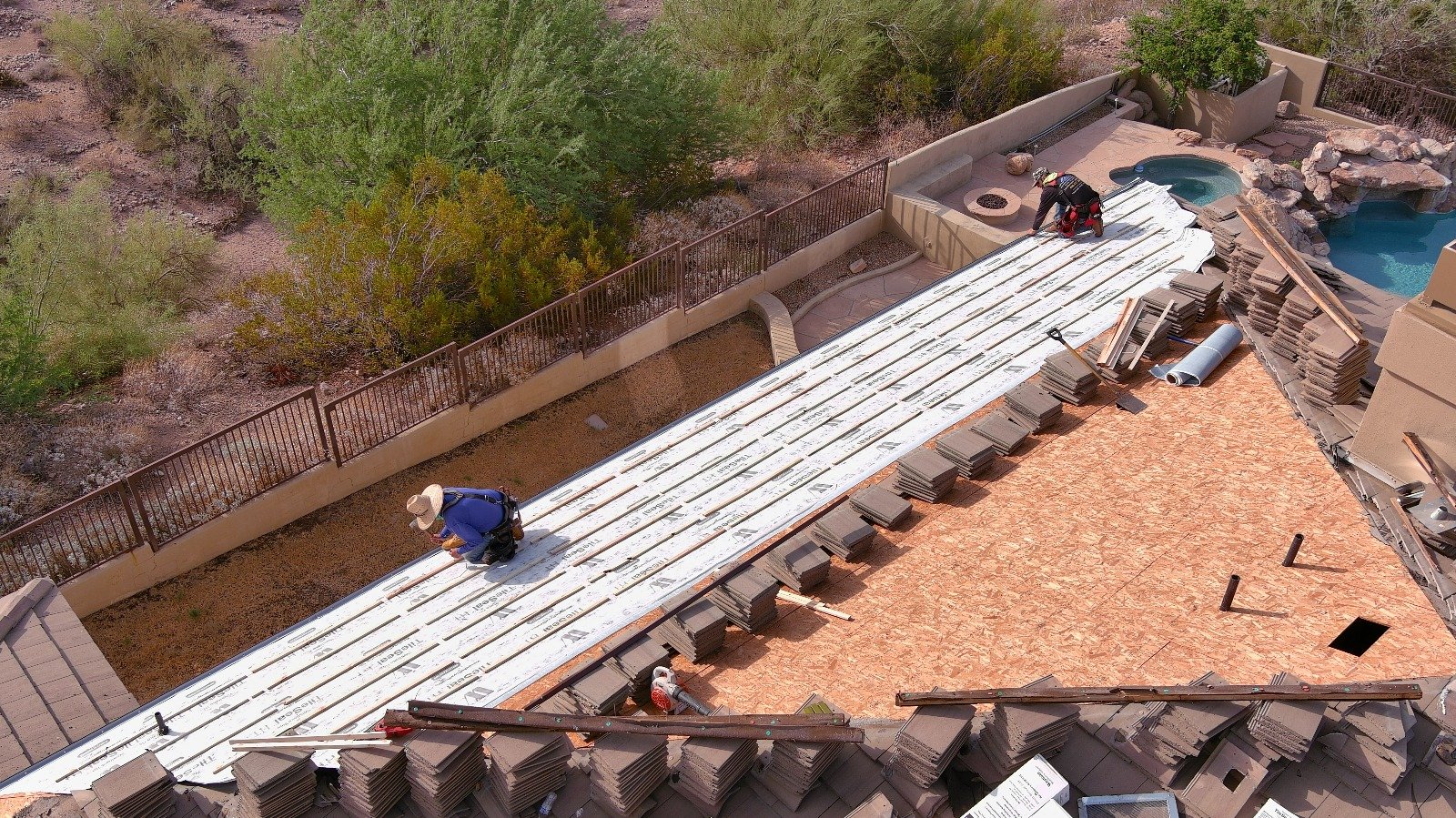
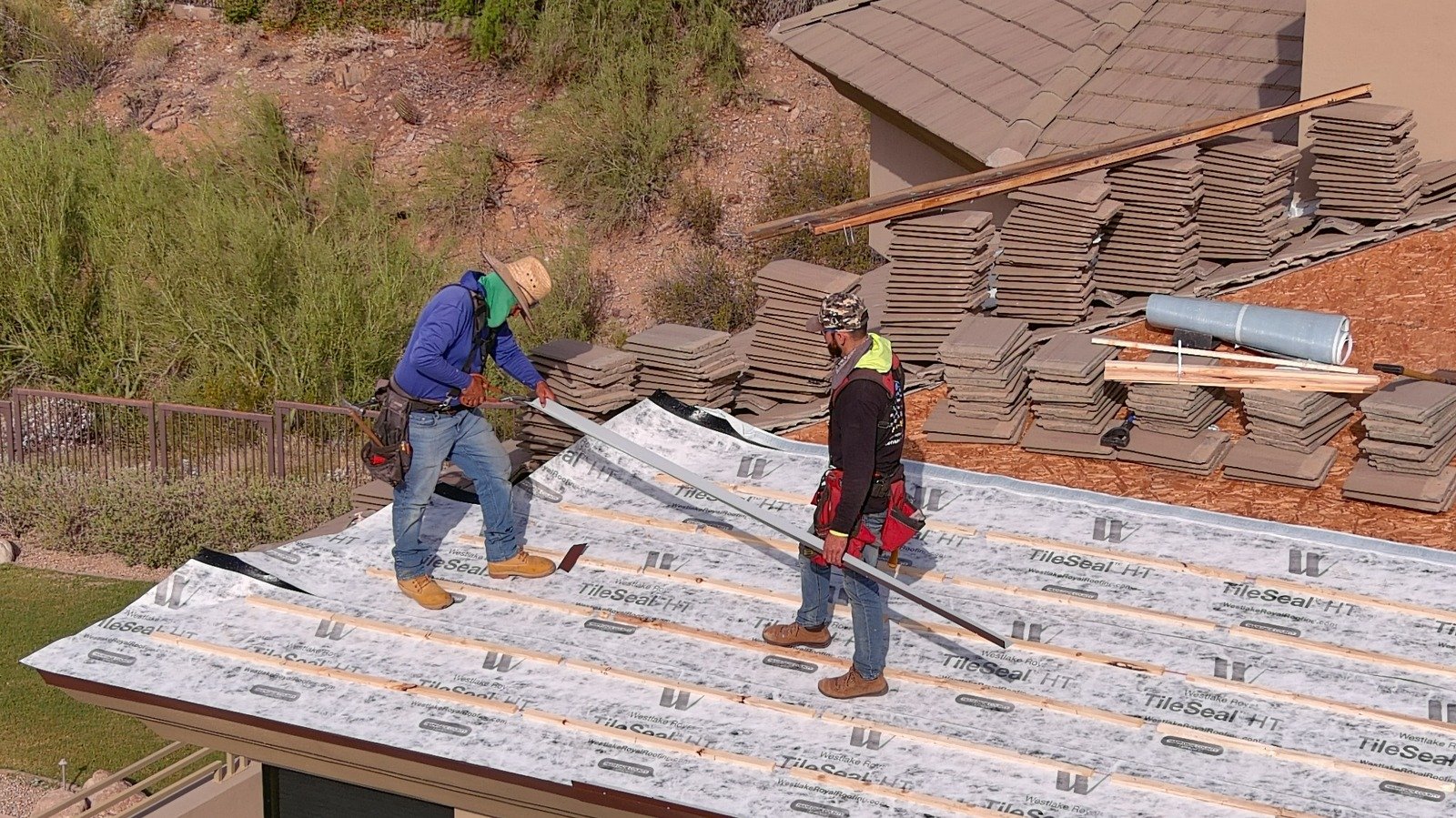
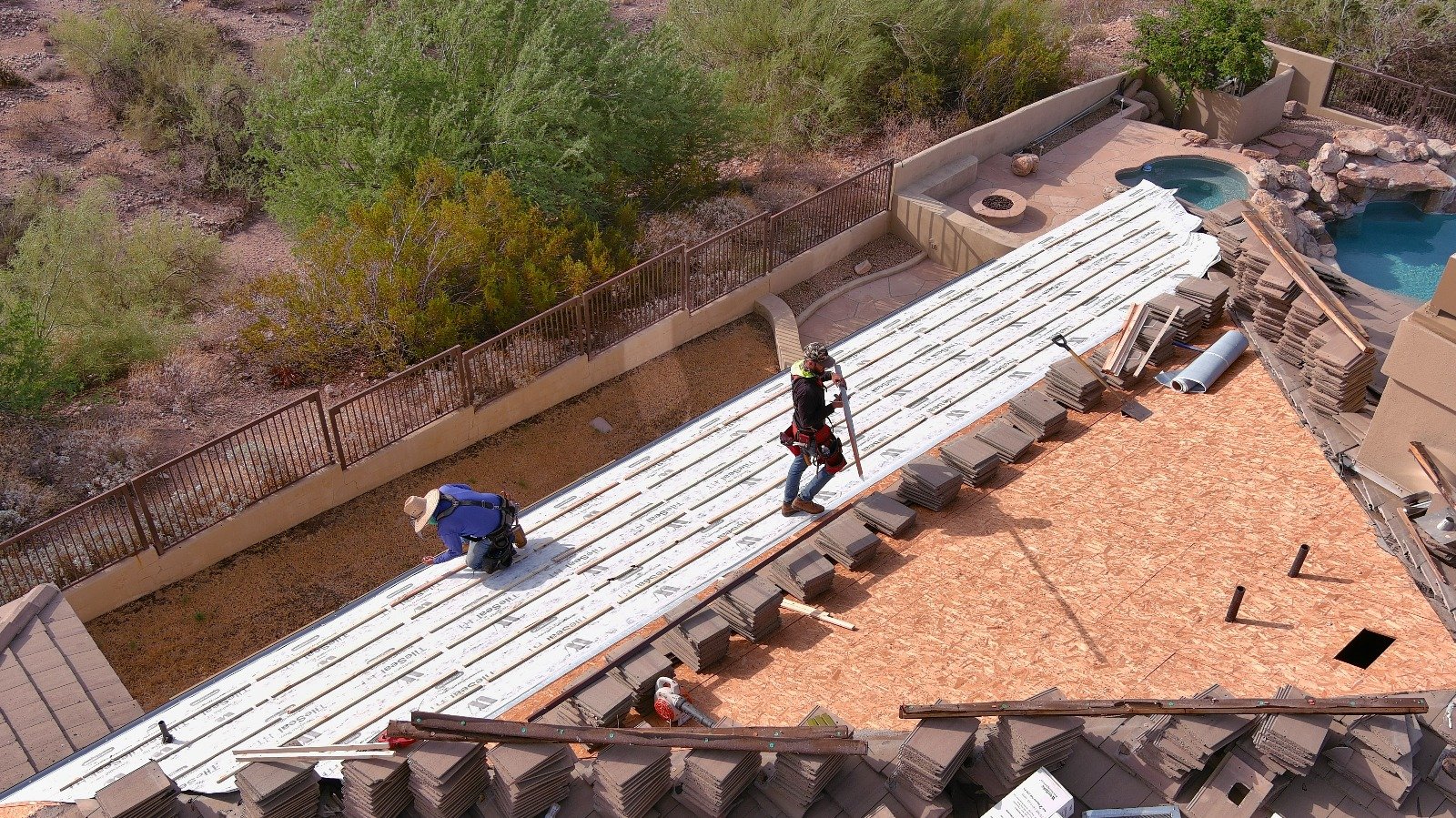
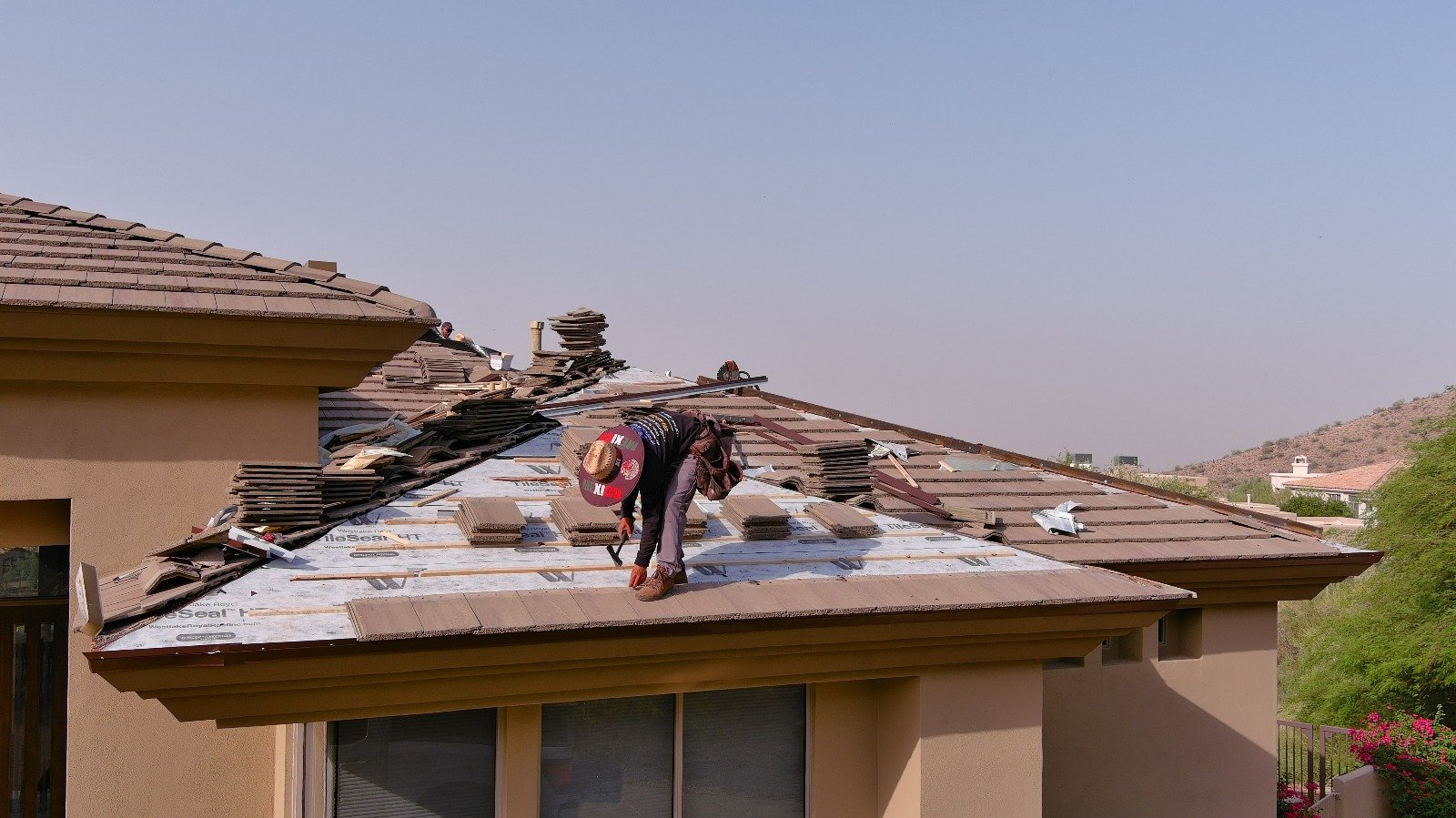
3. Tile Roofs in Phoenix: The Hidden Underlayment Issue
Tile roofing is extremely common in Phoenix Metro because the tile surface handles heat well.
However, research and field inspections show:
- Tile surfaces may remain intact for decades
- The underlayment beneath often fails first
- Underlayment lifespan in extreme heat averages 20–30 years
Many homeowners believe tile roofs last forever. In reality, the waterproofing layer is the limiting factor.
When underlayment becomes brittle from heat exposure, leaks begin — even if tiles appear fine.
4. Attic Heat Amplification
In Phoenix Metro homes with poor ventilation, attic temperatures can exceed 140–160°F during peak summer.
This creates heat stress from underneath the roof deck.
Effects include:
- Plywood decking warping
- Adhesive deterioration
- Shingle curling from below
- Insulation breakdown
- Higher cooling costs
According to energy studies, poor attic ventilation can increase cooling demand by 10–20% in extreme heat zones.
Ventilation directly impacts roof longevity.
5. Flat Roof Membrane Performance in Desert Climates
Foam and TPO systems are common in Phoenix Metro.
However, high heat:
- Accelerates seam separation
- Increases UV surface breakdown
- Reduces elasticity over time
Flat roofs in moderate climates may perform 25–30 years.
In Phoenix Metro, typical lifespan is:
15–25 years, depending on maintenance and drainage.
Realistic Roof Lifespan Expectations in Phoenix Metro
Based on regional performance patterns:
- Asphalt shingles: 20–30 years
- Tile roof underlayment: 20–30 years
- Flat roof systems: 15–25 years
- Metal roofing: 30–50 years (with proper ventilation and coating maintenance)
Extreme UV exposure and thermal cycling are the primary lifespan reducers.
Why Heat Damage Is Hard to Detect
Unlike storm damage, heat damage:
- Develops slowly
- Begins at molecular levels
- Weakens materials internally
- Becomes visible only after failure
By the time leaks appear, structural components may already be compromised.
This is why Phoenix Metro roofs often seem “fine” — until they are not.
Signs Your Roof Is Aging Faster Than It Should
Phoenix homeowners should monitor:
- Excessive granule loss
- Curling shingles
- Cracked or displaced tiles
- Interior ceiling stains
- Increasing energy bills
- Brittle flashing sealants
These are indicators of heat-related stress accumulation.
How to Reduce Heat-Related Roof Aging
Research-backed prevention methods include:
- Improving attic ventilation
- Using reflective or energy-rated roofing materials
- Scheduling annual inspections
- Reinforcing flashing before sealant failure
- Addressing small issues immediately
Preventative maintenance can extend roof lifespan significantly — even in Phoenix Metro.
When Heat Damage Means It’s Time for Replacement
Roof replacement in Phoenix Metro becomes necessary when:
- Underlayment failure is widespread
- Repairs exceed 30–40% of replacement cost
- Roof age exceeds 20–25 years
- Structural decking shows deterioration
Delaying replacement increases total long-term cost.
Protect Your Phoenix Metro Roof Before Extreme Heat Does
Understanding how Phoenix heat reduces roof lifespan allows you to act before damage becomes structural.
Reliable Roofing Near Me provides detailed roof evaluations specifically tailored to Phoenix Metro climate conditions.
As a licensed Arizona roofing contractor (ROC 355096), their team inspects UV degradation, ventilation performance, underlayment condition, and overall structural integrity.
Call Reliable Roofing Near Me at (480) 867-9986
Email: reliableroofingnearme@gmail.com
Address: 12428 N 28th Dr Suite 12430, Phoenix, AZ 85029
Visit: https://reliableroofingnearme.com
Schedule your roof evaluation before extreme heat shortens your roof’s remaining lifespan.